
Winner Report // An Easy Man to Mythologise
July 30, 2026
Words by Jake Thorpe
Photos by Tomás Montes
“He is Hercules, struggling through the 12 labours. He is Jason, chasing the Golden Fleece…”
So begins TIME magazine's 1963 profile of Cassius Clay, later and better known as Muhammad Ali. Invoking the heroic ideals of ancient Greece, it is hard not to draw parallels with our own champion as he arrives on the shores of the Messinian Gulf at the end of his own labours, his own quest. Robin Gemperle (001) is an easy man to mythologise. His exploits seem to defy rational explanation.
The Early Bird
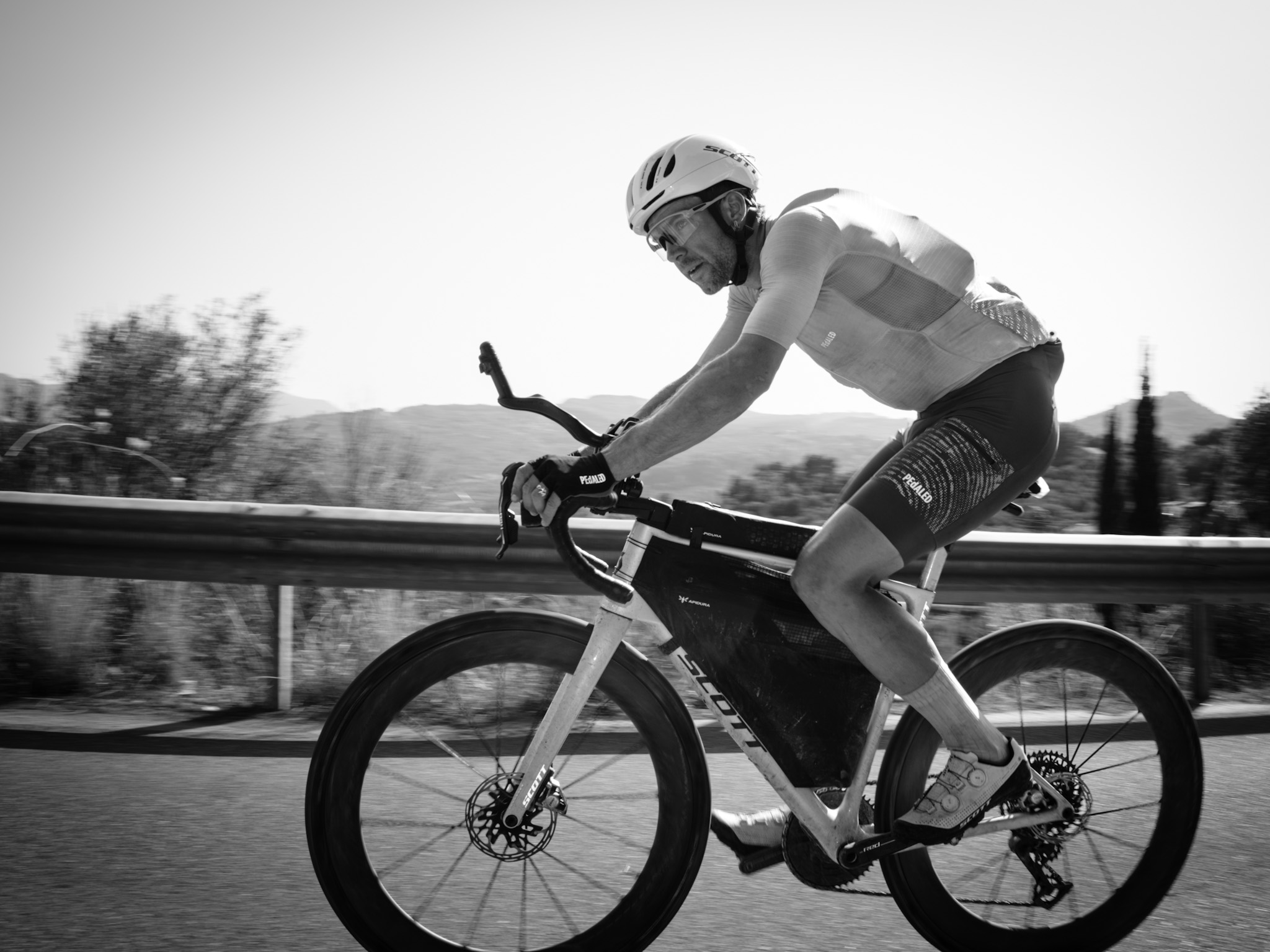
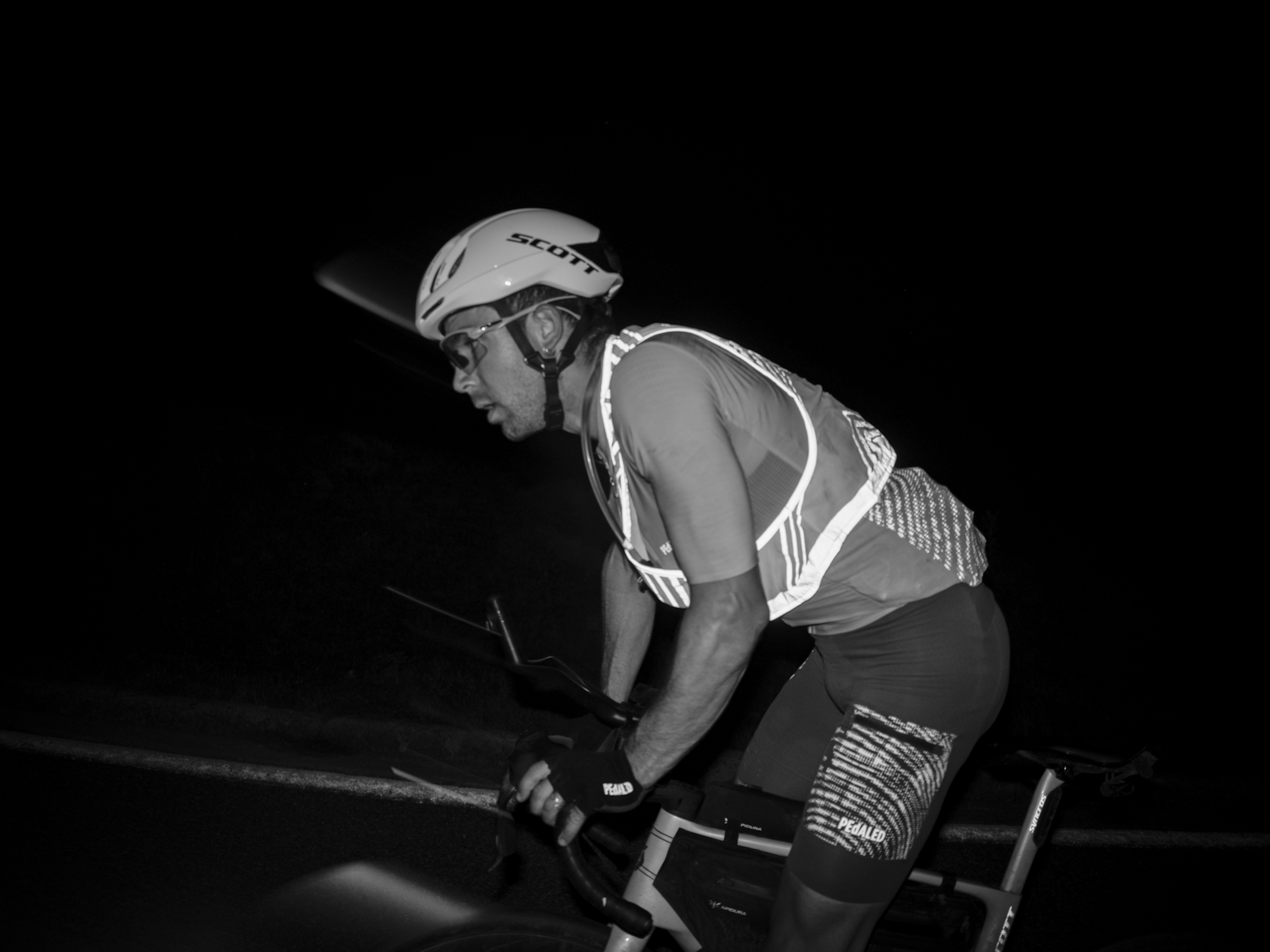
Onto the parcours and off like a shot, Robin did not drag his heels as the sun dipped just below the horizon on that first northern night. Arriving 675 km later to the race’s first control, less than 24 hours after he’d left the town square in Trondheim, Robin had already carved out a lead of almost 2 hours. This lay the bedrock of his race: an advantage that, no matter how hard they tried, his chasers could not erode. And the best part? It seemed almost accidental.
Speaking at CP1 as the race’s second long dusk drew in, Robin admitted that, in Trondheim, such an explosive start hadn’t been the plan. “I was at the start and I was like, I'm not going to do this. I'm not into it. I didn't bring my A game,” he began. “But then suddenly we started. I looked at the average speed and I was like, this is quite fast.” It’s Robin’s total nonchalance that beggars belief. It’s almost as if reducing the race, in his mind, to a shrug, a roll of the dice, a see how I go, manifests the state of immense composure that allows him to make the impossible possible. At the finish line, reflecting on the differences between his two TCR wins, Robin admitted that “back then, I really wanted to nail every detail; this time it was much more freestyle, which was somehow also more fun.”
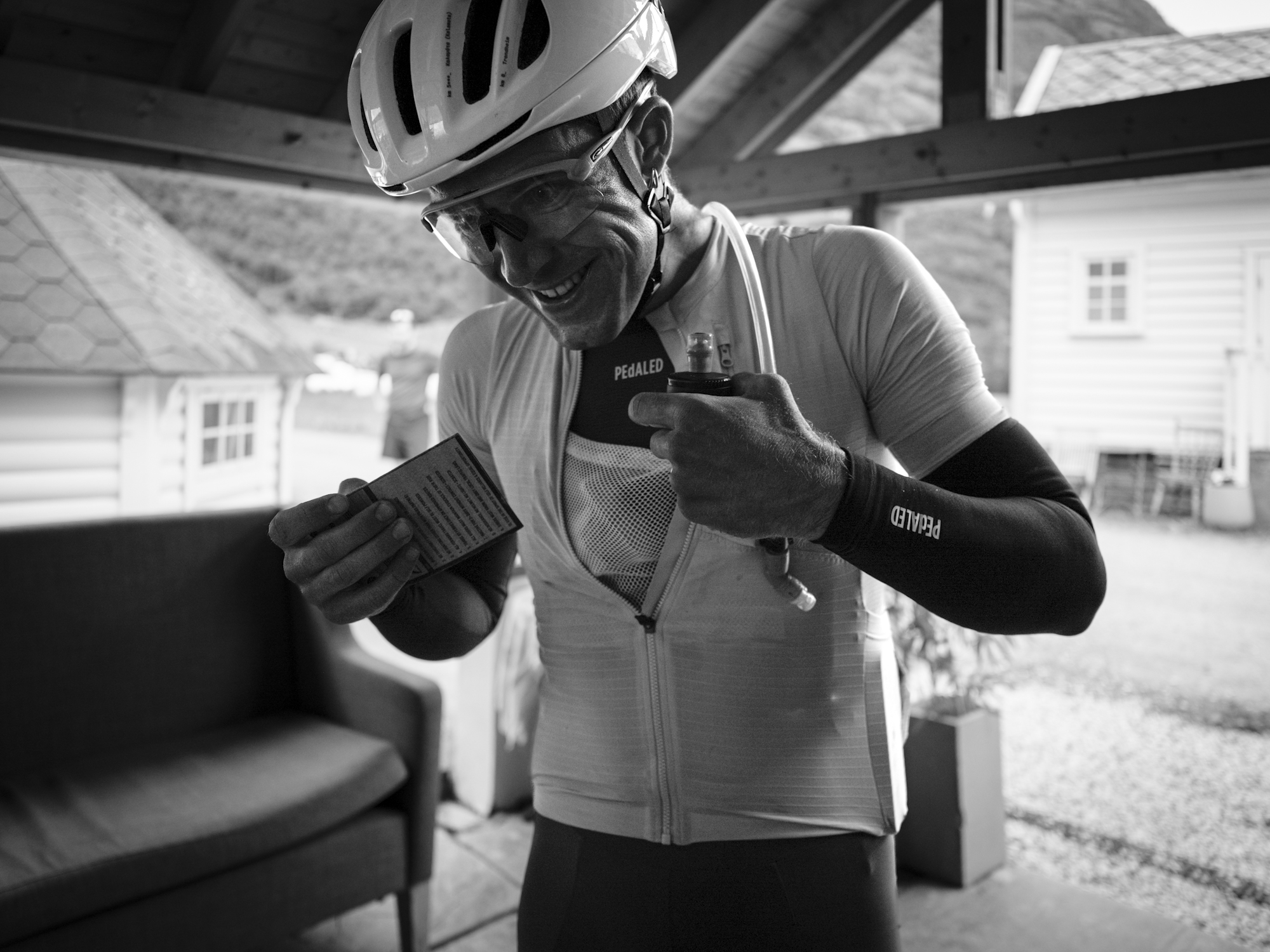
But I wager it would be foolish to believe that these results, however effortless they might seem, and however much Robin insists they were the product of strategic improvisation, come from anything but a basis of meticulous planning and diligent training. The melody, perhaps, changes on the fly. But the dedicated, iterative practices of route planning, conditioning, the honing of equipment – these form the ostinato that affords Robin his spontaneity. And these do not happen by accident.
The rigorous attention to detail of his race speaks to a level of preparation and discipline that is easy to overlook. The work happens behind the scenes, where contingencies are imagined, calculated, and quietly stored away for the moment they are needed. Only rarely, if you are lucky enough, do you catch a glimpse of the machinery behind the effortless exterior.
During the complete coincidence of our Slovakian encounter beside a banned road – as Robin scrambled, waded, disappeared, and then re-emerged – the thing that struck me most was the forensic rigour it displayed in his route planning. In a race of almost 5,000 km, Robin had identified a five-metre crux; and not only had he identified it, he had also mapped out a plethora of possible courses of action. The most flamboyant, naturally, was the one he chose.
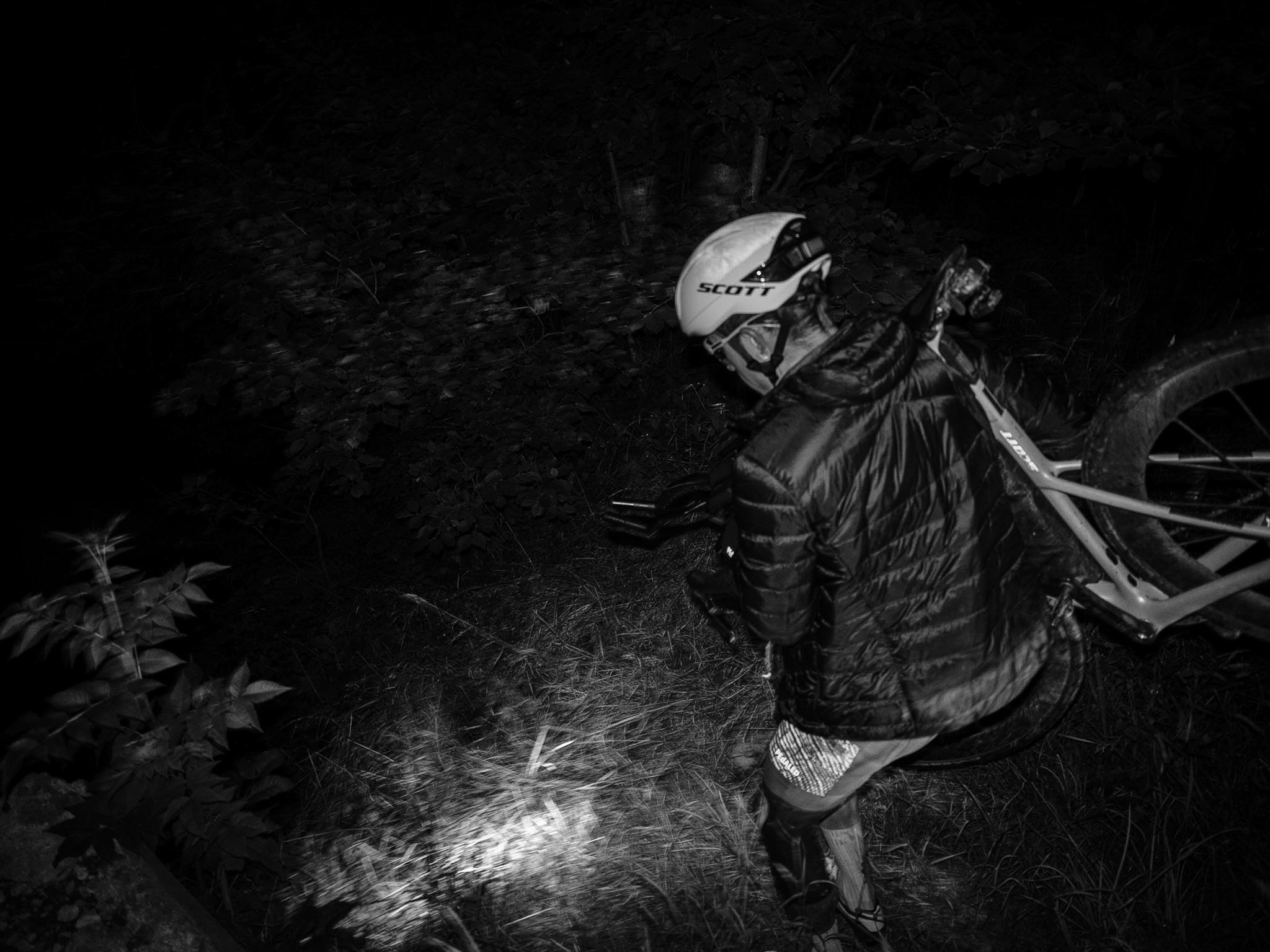
Moments like these are where the TCR is won and lost. The exacting demands of the race are what make success so coveted.
Behind, Every Kilometre
The wonderful team at Peak Design – our media partner for the race – were kind enough to make us some decals for the control cars, adorned with the words, Behind Every Kilometre. The phrase was designed to capture the virtuous circle of support that underpins this unsupported bike race: the community backing us, us backing our riders, and our riders, in turn, contributing to the community again, every kilometre of the way. There’s a lovely depth to it.
Yet, with the smallest grammatical intervention, the phrase takes on another meaning entirely. Add a comma, and it becomes a fitting description of our race in relation to Robin’s: Behind, Every Kilometre.
Beating us to every control point except the first, Robin, in a move reminiscent of the victories of the TCR champions of old, tested the speed of our team as much as that of his fellow riders. Just as Kristoff “Special K” Allegaert had in the early years, he forced us to lay chase across the continent, beating the tempo not for his fellow riders, but for the race and all its infrastructure too.
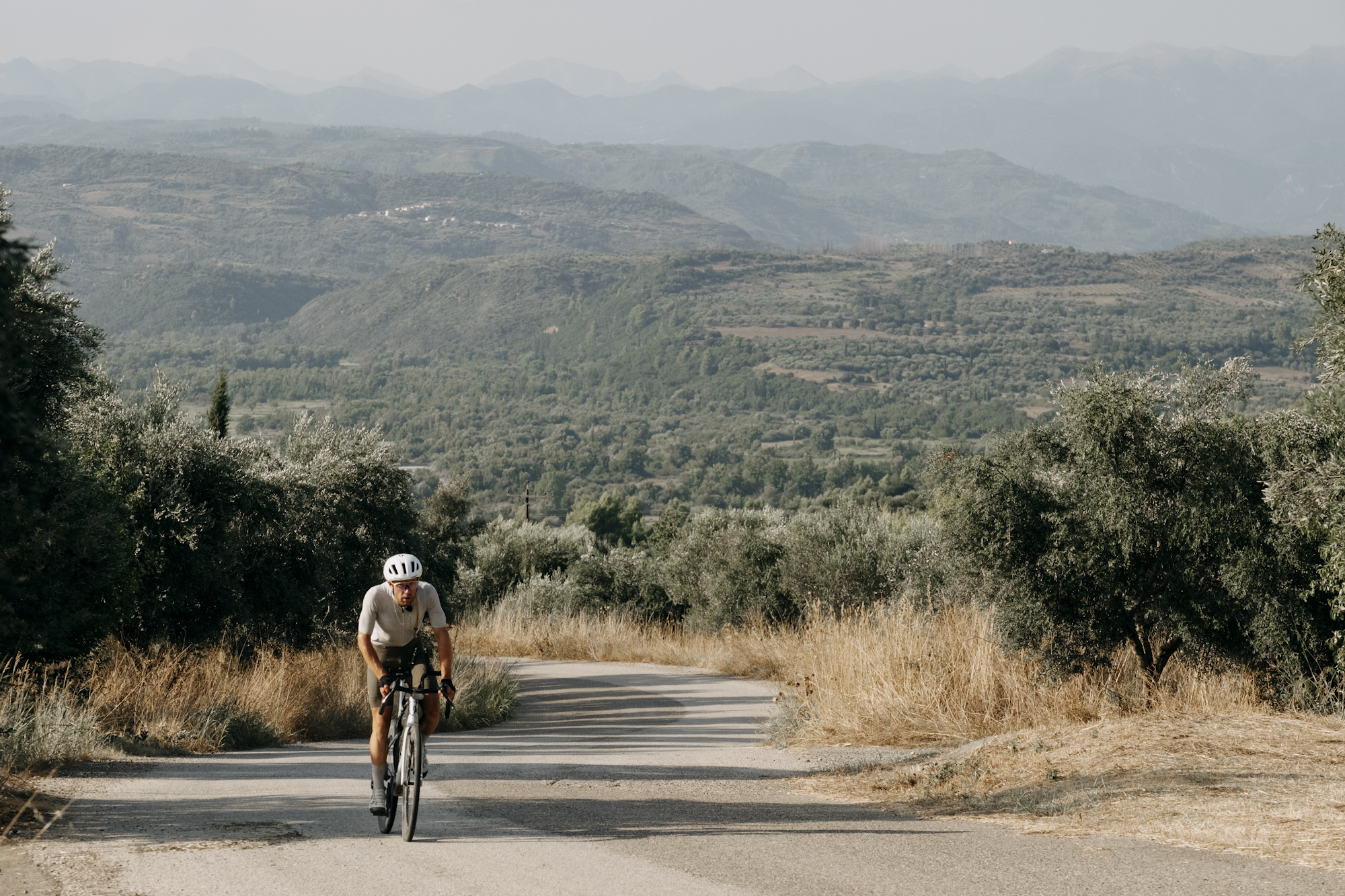
Fortunately, we edged ahead on the finish parcours so that we, along with Peter Lawrence – a stalwart volunteer at Lost Dot races who had arrived in Greece a little early – could form the finish line, while our other volunteers, together with our finish-line photographer, Mike, were still on the long journey to Kalamata. We needn’t have worried. Robin was hardly short of a welcome.
The Prodigious Son
A merry band of friends and family had also made the long journey south to hail the incoming champion. In the relative cool of pre-dawn, Robin’s mother, waiting anxiously on the arrival of her prodigious son, explained that this was often the hardest moment. “It’s finished on the finish line, not before, not even one hour before,” she said. “Anything could still happen, which makes me nervous.” Never speaking to her son during the race, the paucity of information provided by his dot, along with the occasional interview – when our team could track Robin down – was Mayjah’s only reassurance along the way; she was looking forward to having him back within the fold.

Robin’s Dad, on the other hand, seemed rather more relaxed during the closing hours of his son’s race. Tired of waiting out the small hours on the quayside, when there were plenty of more suitable spots to rest moored so close by, Roger hopped onto a nearby yacht and curled up on some cushions on deck. In solidarity with his son, perhaps, it seemed Roger had decided to inhabit the spirit of the spontaneous bivvy. When the harbour’s security patrol passed, in response to their inquiries about whose boat it was, he responded, unflinchingly, “Mine.” Robin’s confidence, clearly, is hereditary.
Have You Considered Doing This Professionally?
We have a running joke, in Control Car 1 – or the Hawkmobile, as it has come to be known – whenever our very talented photographer takes yet another sublime still of a passing rider: “Tomás, have you considered doing this professionally?” After Robin’s performance over the last 10 days, a flawless race in which our Race Monitors were unable to find a single mistake, it might be time we asked Robin the same thing.
Professionalisation is, of course, one of our sport’s hottest topics. We all know that the era of the amateur is fast coming to a close. “The last time I won,” Robin reflected, “the whole vibe of the scene was still fun – getting serious, but a lot of fun.” Since then, however, Robin too had felt a shift. “I feel this has changed a bit in the last two years,” he concluded, before adding “I’m responsible for that as well, of course.”
Racing has, in essence, become Robin’s job, one of the sport’s first riders to be supported full-time. “Yes it is my job, and I enjoy it a lot,” he conceded, “so I would like to keep it the way it is.” But he also noticed a shift in his own perspective since his win in Istanbul. “I don’t feel like it’s existential; I don’t think I need to do this. If I think back to two years ago, maybe that was a little different.”
Still Only Human
And yet, beyond the hero, the strategist, the prodigy, the professional, a deeper self shone through. In the minds of fans, of dotwatchers and of competitors he may well be Hercules, struggling through the 12 labours, Jason, chasing the Golden Fleece. But bathing in the wake of this Transcontinental odyssey, Robin was, first and foremost, a cyclist at the end of an extraordinary adventure.
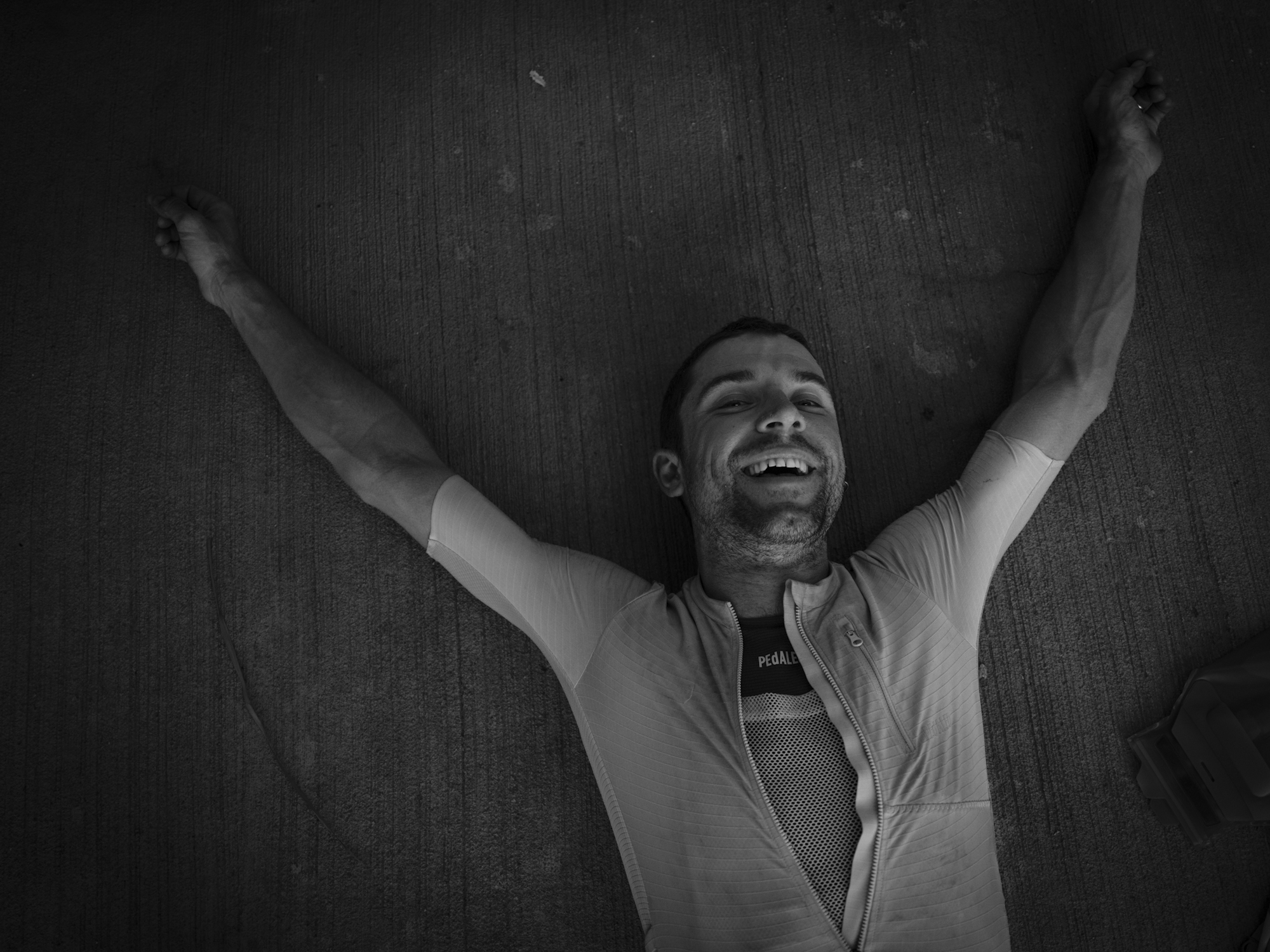
“Having started in Trondheim and sitting now here, at an extremely southern European point, is so surreal. This is really where you can feel what distances you can cover by bike, and that gives me a lot of joy, also in the long term.” It’s a why that I’ve no doubt resonates with plenty of the riders still out there, chipping away at their own journeys across the continent. Robin has always maintained perspective on the race; it doesn’t define him, in fact, racing seems to come second to the experience as a whole. It does, however, beg the question: where does he go from here?
This is the first title Robin has returned to reclaim. He isn’t in the business of building dynasties. And as it stands, he’s rapidly running out of races to win. Considering the thought of a future edition, in the aftermath of his second win, Robin admits that, to race, there doesn’t feel much of a draw. But to ride? That’s a different question entirely.