
TCRNo12 Disqualification & Time Adjustment Statement
October 12, 2026
The 2026 season of Lost Dot events has come to a close, with the sixth edition of the Trans Pyrenees Race bringing the curtain down on another year of beautifully hard bike races last weekend.
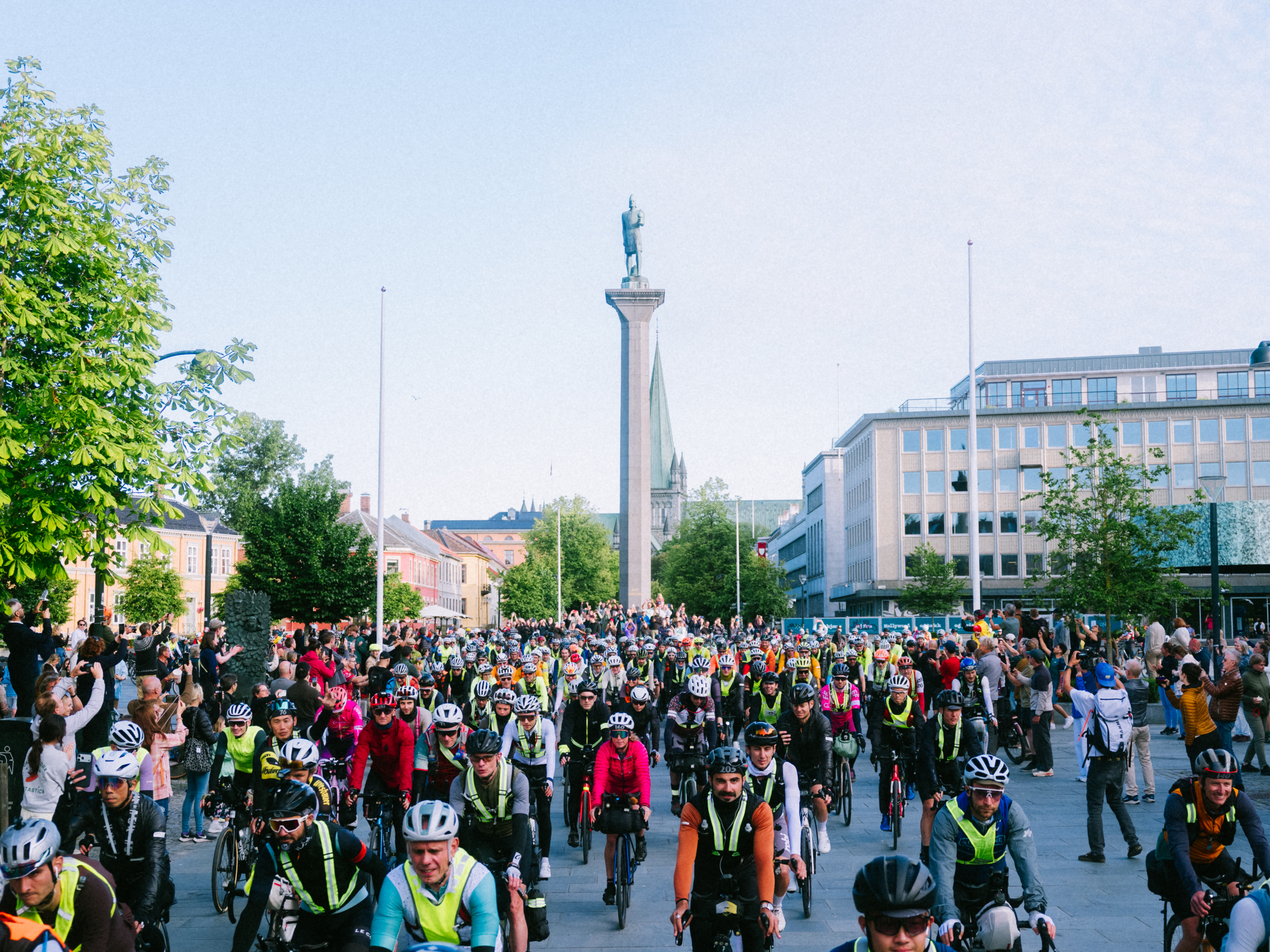
We’ve seen the inaugural edition of the Lost Dot 101 welcome 148 riders to the start line in Santiago de Compostela, TCR welcome 397 riders to the start line in Trondheim, and TPR welcome 136 riders to the start line in Girona. That makes 681 riders lining up to test themselves against the terrain, the weather, finding out where their preparation has gone perfectly and where they still have room for improvements. In short, to experience the joy, difficulty, and growth that unsupported racing offers in abundance.
Within these races there is always the possibility of misadventure. Planning for them is a complex task, none more so than the TCR. This year, the race travelled through 14 countries between Norway and Greece. That means understanding the local laws and regulations relating to cycling in each of those places. It also means doing this alongside checking your route against the road resource map that we make available to riders as well as the Race Manual. This sets out the roads that we, as Lost Dot, have banned based on our experience from racing, touring, and travelling through these places over multiple years. It also draws on the first hand experience of riders who have participated in TCR; after each edition of the race we survey all riders to see if there are any more roads we should keep people away from in the future. Our ambition remains to make each edition safer than the last, and drawing on this knowledge from our community of riders is integral to that.
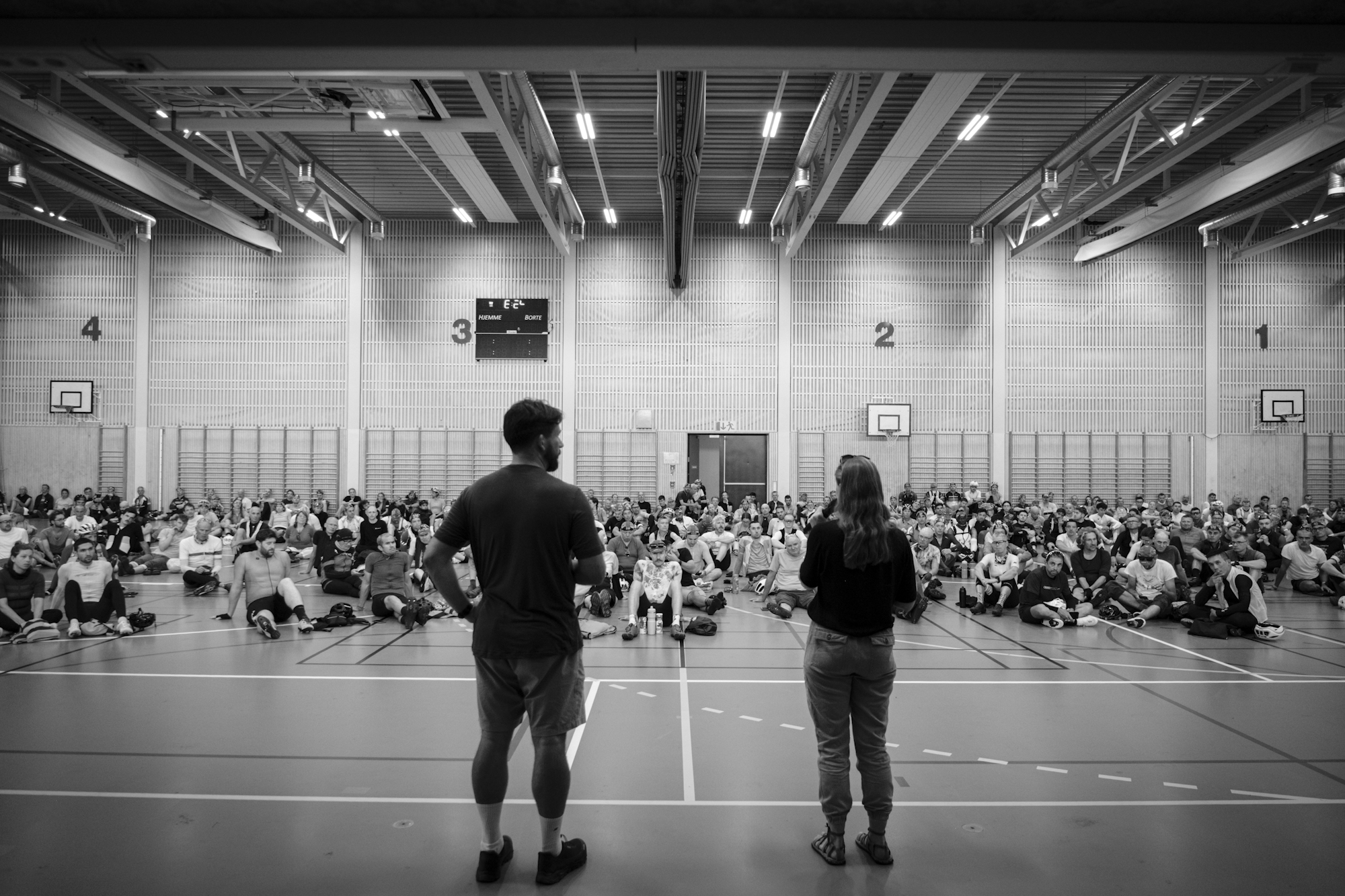
In the rider briefing before the race, I spoke about how the most prepared are the most successful, and how well a rider understands their route and the race plays a significant part in their success. I also encouraged riders to contact our Rider Comms Manager if they thought they might have done something wrong, whether that was riding on a banned road, accepting outside assistance, or breaking a rule. Being conscious of these things and keeping the race team informed is a big part of riding within the spirit of the race, and every year we see multiple riders get in touch to self-report, both during the race and afterwards when they review their route files.
We know that these things are, in the vast majority of cases, simple mistakes, and that riders didn’t seek to gain an advantage by doing this. Whether it is diverting to a bike shop to fix a mechanical, or routing to a hotel that was booked for the evening, these moments when riders deviate from their meticulously planned routes are frequently where we see these mistakes occur.
In other instances, riders may not have spent as much time as they should planning and checking their route. This can, and does, result in mistakes being made, where riders end up on a banned road. Again, within this, there is significant variation, with some riders riding a small portion of a banned road, while others spend a significant period of time on one or more banned roads throughout the race.
During the race, we have a dedicated team of volunteers who work from home and who scrutinise the progress of every rider out on the road to check for compliance with the race rules, including the use of banned roads. They review the progress made by riders every day, taking detailed notes and raising enquiries where they think a rider might have made a mistake. They gather evidence from social media, the official race tracking, gpx files that riders upload, and from detailed scrutiny of things like sleeping locations and stopped time to make sure there isn’t any suggestion of outside assistance.
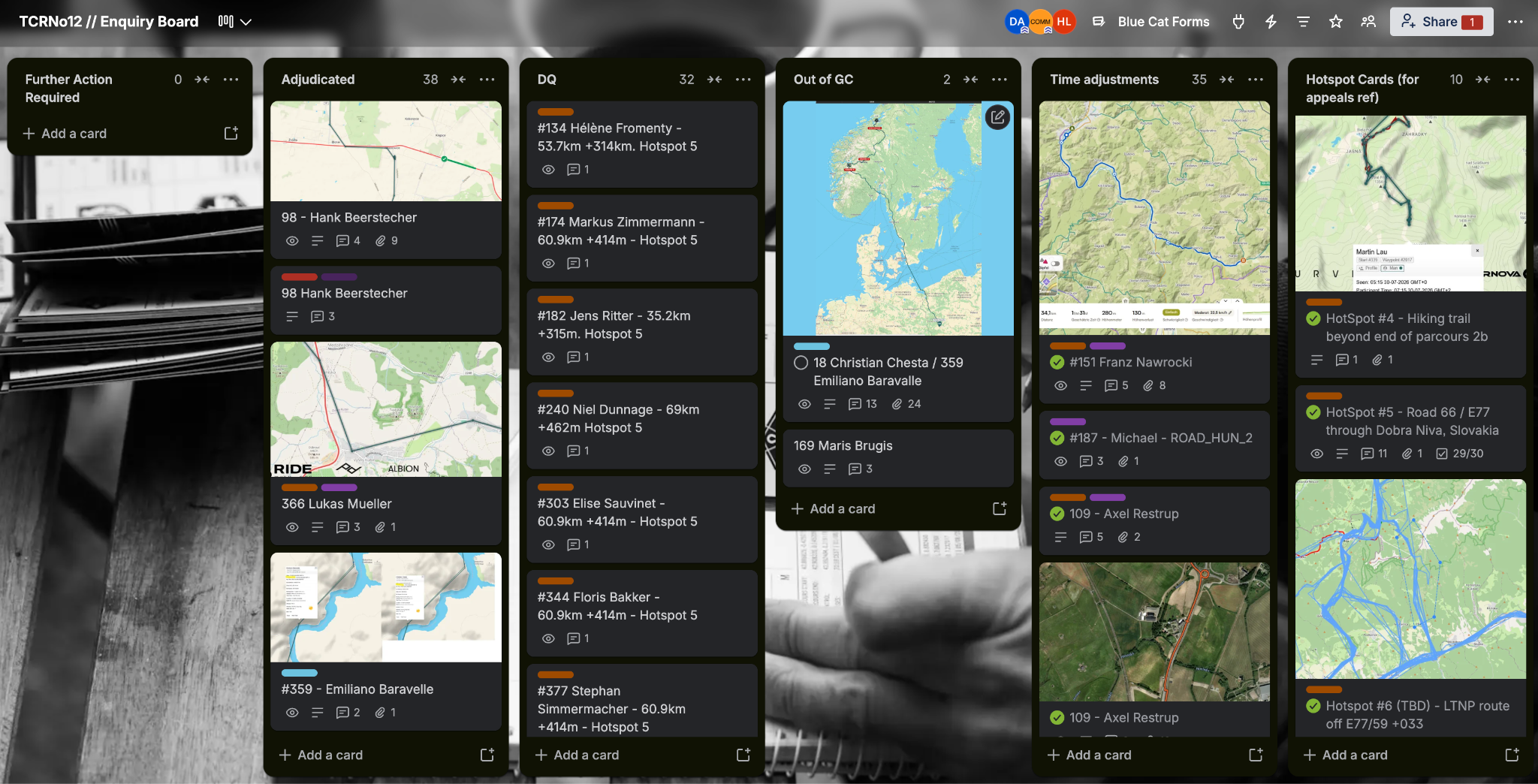
All of this evidence is reviewed by the race team after the end of the race to adjudicate on the final results. This year, there were 285 individual pieces of evidence relating to single riders, and a further 10 hotspots where it appeared multiple riders had made the same mistake, which pulled in another 58 riders. In many instances, after checking GPX files, these required no further explanation or action. Where we believed a rider had made a mistake, we contacted them to let them know and gave them the right to appeal against this, providing evidence where they could to show how they had avoided these mistakes.
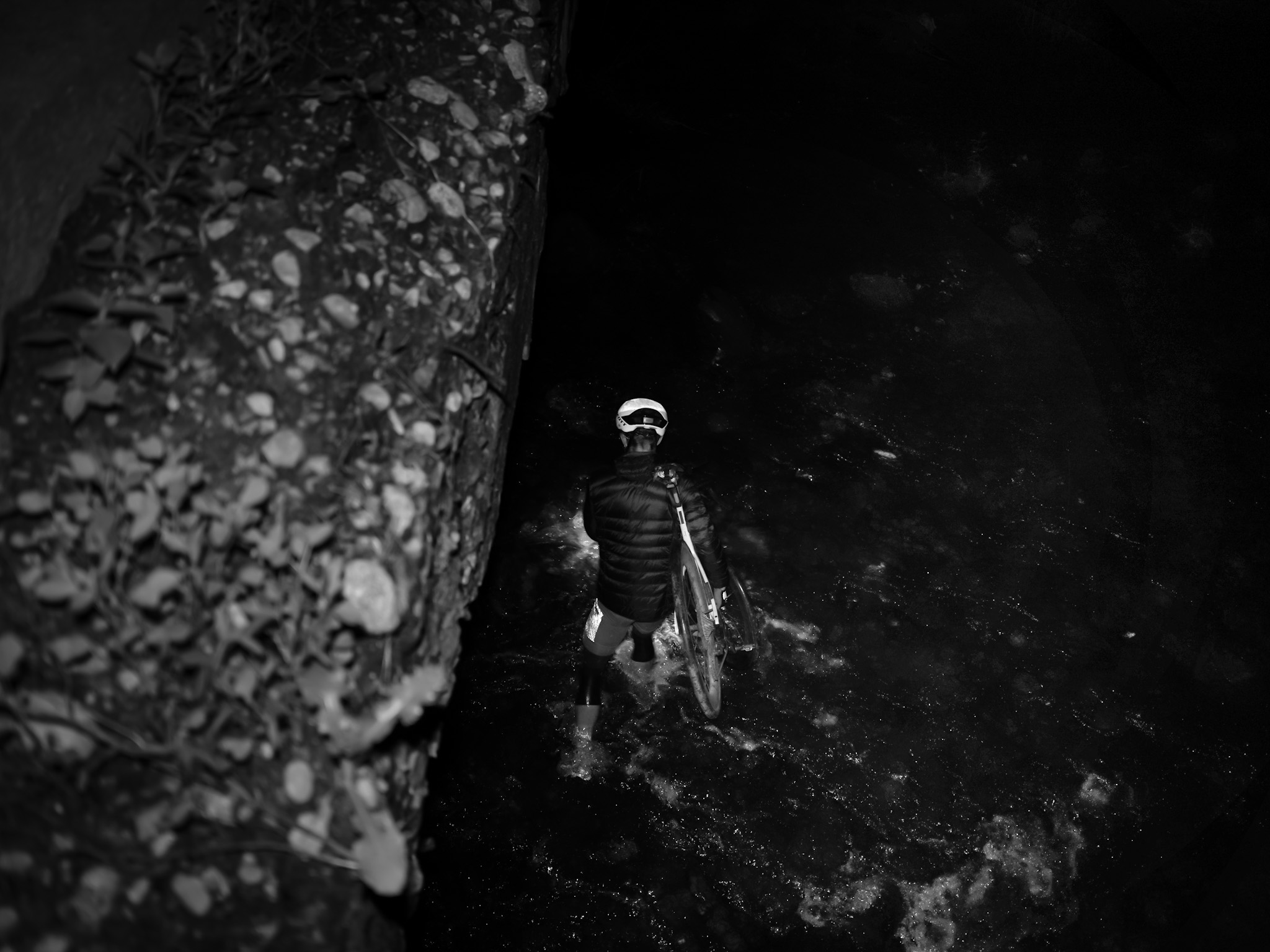
I’m so often impressed with the quality of evidence that riders can provide in these instances, from multiple pictures and videos documenting where they are, what they're doing, and how they are staying within the rules. There is some very creative route planning, with riders doing everything from wading through rivers to hiking through forests to avoid banned roads, all of which, I think, adds some colour and texture to a journey across an entire continent.
This year on TCRNo12, 31 riders were disqualified for extensive periods on banned roads, while a further 40 riders received time adjustments for smaller routing errors. When making the decision about whether a rider should receive a time adjustment or be disqualified, there are a range of factors we consider:
- How long did the rider spend on the banned road?
- Did they miss any signs clearly showing this was a road that was prohibited?
- Did they miss any junctions which would have allowed them to safely exit onto a non-banned road and continue their journey?
- Did the rider realise their mistake and let us know what had happened, or did we find out through the work of our race investigators?
The first of these is, arguably, the most important of all. The general rule of thumb is that if a rider is on a banned road for more than 30km, they are disqualified. If they are on one for less than 30km, they receive a time adjustment (however there have also been instances of riders on exceptionally dangerous stretches of road who are disqualified for doing less than 30km).
We received questions from a number of riders about why they had been disqualified when someone else had received a time adjustment for being on the same road; simply put, riding on the road for 53.7km, which resulted in a disqualification, is not ‘double’ riding on it for 26.4km, which resulted in a time adjustment. The scale is not additive, but rather more exponential. The longer a rider spends on a road, the higher the chance of there being a serious accident or a fatality. Equally, we reserve the right to disqualify a rider for a shorter use of a banned road where we think that it warrants it, in the same way we use our discretion across a range of race related decisions. We take our responsibility to keep riders safe extremely seriously, and disincentivising the use of these roads as far as possible is a big part of that, for which we make no apologies.
Letting these riders know about the final decision is far from our favourite aspect of the job, but it is really important to make sure we continue to keep the race safe and as level playing field as possible for everyone taking part.
David Ayre - Race Director, TCRNo12