
Pre-Race // What country, friends, is this?
July 16, 2026
Words by Jake Thorpe
Photos by Alex Duffill, Andy Dodd, Chiara Redaschi, Matt Grayson, Liz Seabrook, Tomás Montes, Sam Dugon
The stage is set, the lights are dimmed. The audience holds its breath. As the players assemble, their normal patterns loosen; roles refocus, skin-tight costumes are donned, and names give way to race numbers. The twelfth night of TCR’s grand départ fast approaches.
But this night, like its eponymous play, will be one of digression, disguise and mistaken identity. In Trondheim, where we lay our scene, night is a notion of seasonal caprice, easily mistaken for a lingering dusk. Beginning north of the 63rd parallel, just three degrees shy of the arctic circle, the twelfth edition claims its hallmark as the first to plunge south rather than spear east or west. This is a fact that will prove far from trivial for our riders as they begin beneath a sun that struggles to set and end beneath one that refuses to relent.
-3.jpg)
A spectrum of conditions will greet them as they descend from the sub-zero white nights of Norway right the way to the shimmering asphalt, dust and limestone of the Messinian Gulf. Kit choices will prove particularly crucial. With no jettisons permitted within the scope of the rules, what riders take out of Trondheim will accompany them across the continent. The old adage of the causal weekend rider – “be bold, start cold” – will form, for some, the foundation of a racing strategy, as every unnecessary gram gradually exacts its own price.
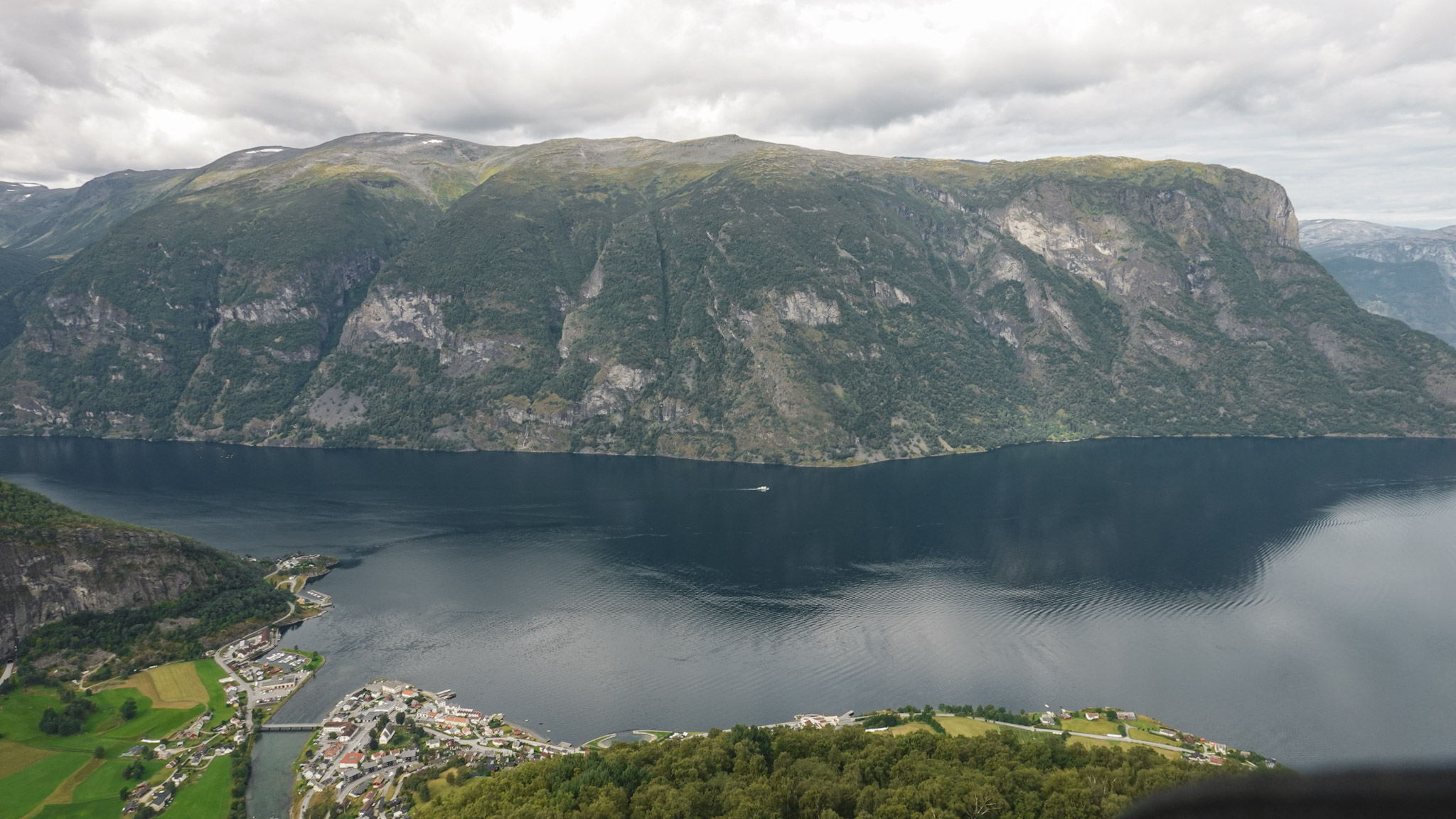
On the banks of the Aurlandsfjord, the race’s first control promises an explosive opening salvo. Coming so soon in the race, the allure of Flåm’s brevet stamp might tempt ambitious strategies from the off. Yet while a sense of early progress should buoy morale, the gradients of the Flåm valley – home to the world's steepest standard-gauge railway – will soon conspire to dampen it.
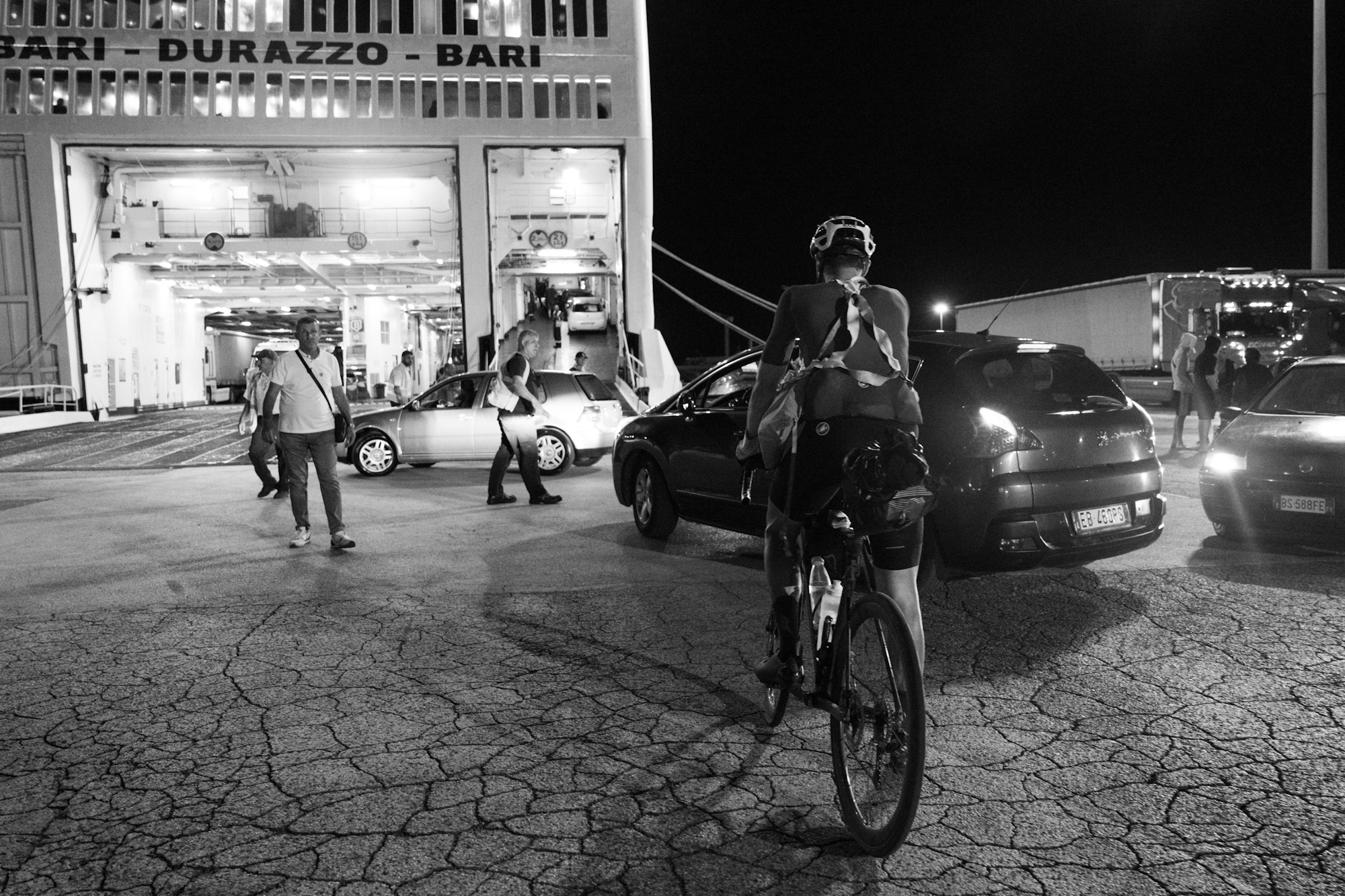
A brief intermission, however, ensues. This year’s crucial ferry sweeps riders across the Baltic sea and towards the split second parcours. Both less decisive and less divisive than last year’s voyage, yet still consequential enough to animate the race’s first act, crossings should also prove more convivial as shared passage precedes the field’s dispersion through northern Europe.
The Tatras come next, diverting riders for the first time in racing history away from the Alps to preserve the southern plumb line. Described, with impish wit, as the Low Tatras, riders will soon discover the extent of this misnomer as they tackle a mixture of the paved and the unpaved to wind between ski resorts to the second control.
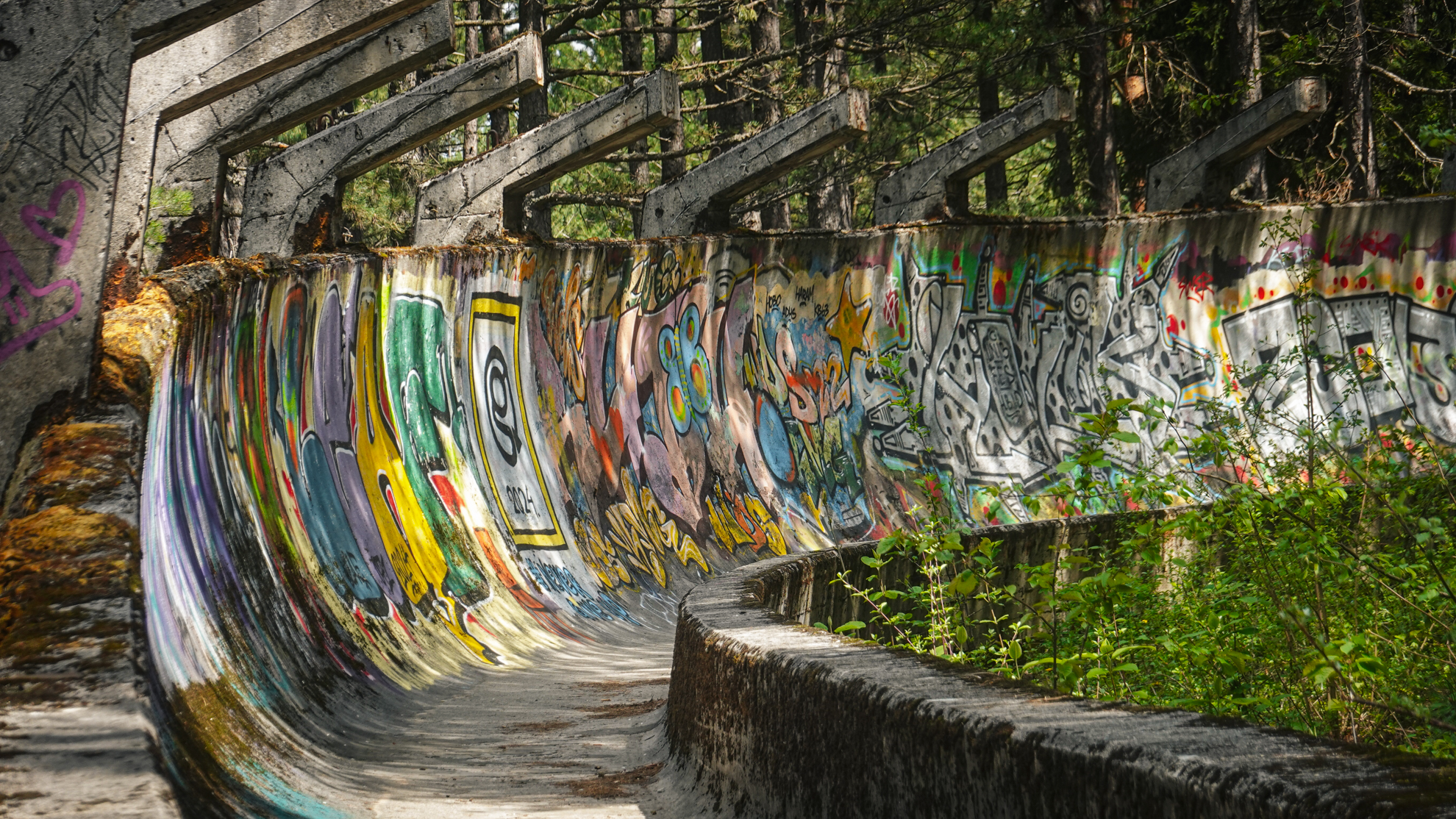
From the montane purity of the Slovakian pistes to the urban decay of Sarajevo’s Yugoslav bobsleigh track, the third parcours will see riders carve down the chromatic chute. Those with designs on this year’s Maglia Arancia – the points jersey awarded to the rider with the fastest cumulative time along the parcours – might adopt a fitting aero tuck in a bid to go for gold.
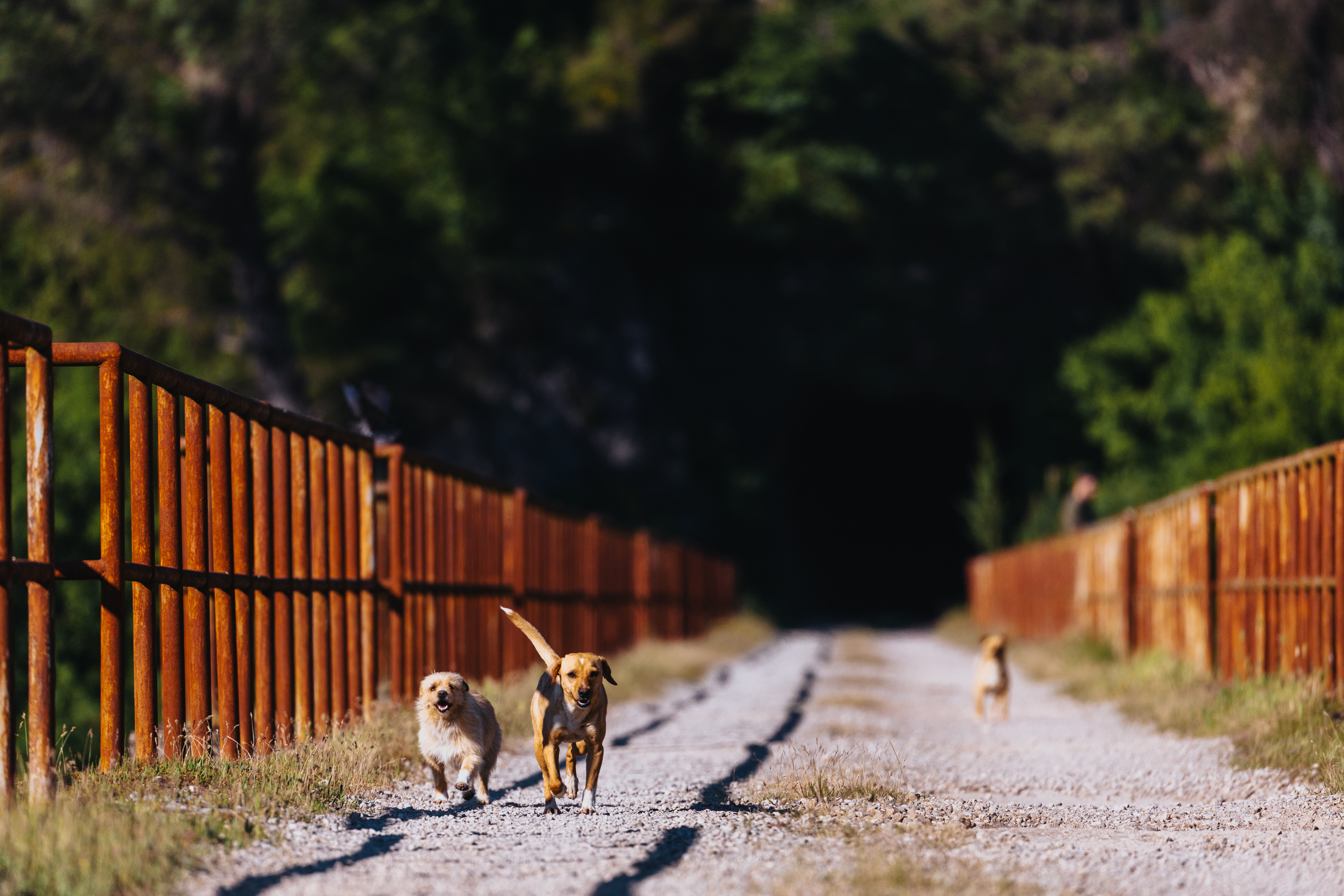
By now, riders will be beginning to feel the other side of the climatic coin, with the mercury rising as they delve deeper into southern Europe. Once more, the Balkans reprise their role at the core of our cast of control points, bringing a remoteness uncharacteristic of the rest of the continent. Here, in a land where four legs are as common as two wheels, we’ll see the return of some familiar Balkan motifs: impossible roads, ambiguous borders, improvised repairs, and, of course, the ubiquitous dog.
Yet all impediments will pail as Greece approaches. With the tang of sea air once more on their tongues, riders will feel the gravitational pull of their internal maps intensify. The south will heave them into the closing bars of their race as, in Kalamata, the curtain falls on their continental crossing.
Cast (in order of appearance):
Our twelfth edition once again assembles a familiar cast of characters. While the actors might change, the roles endure. Favourites, dark horses, metronomes and gamblers, minimalists and packhorses, stoics, jesters, strategists and survivors, all will gather beneath the midnight sun to see their stories play out on Europe’s vast stage.
Of course, many reprise familiar roles. Mikko Mäkipää is back in pursuit of his TCR dozen – indifferent to position, so long as he secures his spot in the coveted GC, and does so via the most scenic route possible.

Others return with different ambitions. Josh Ibbett is back to test himself against the modern TCR: a different beast from the race he won more than a decade ago, with a deeper field and a vanguard that grows more professional by the year. When we caught up with him, Josh identified the shrinking margin for error as perhaps the greatest change at the sharp end. As collective experience deepens, the formula for success becomes more exacting; as the rules mature, mistakes become increasingly costly. Yet his own approach remains disarmingly simple: “To finish first, first you have to finish.”

A stalwart of the modern race, Christoph Strasser returns for another tilt at the title. Disrupted by the mid-race ferry and plagued by mechanicals in the closing stages, last year saw him make a rare departure from the podium, finishing fifth in the GC. Magnanimous in the face of an unfamiliar result, he could only marvel at the strength of the emerging field. It remains to be seen whether a return to his preferred pacing – a measured start and more metronomic progress – will restore him to his usual spot on the top step
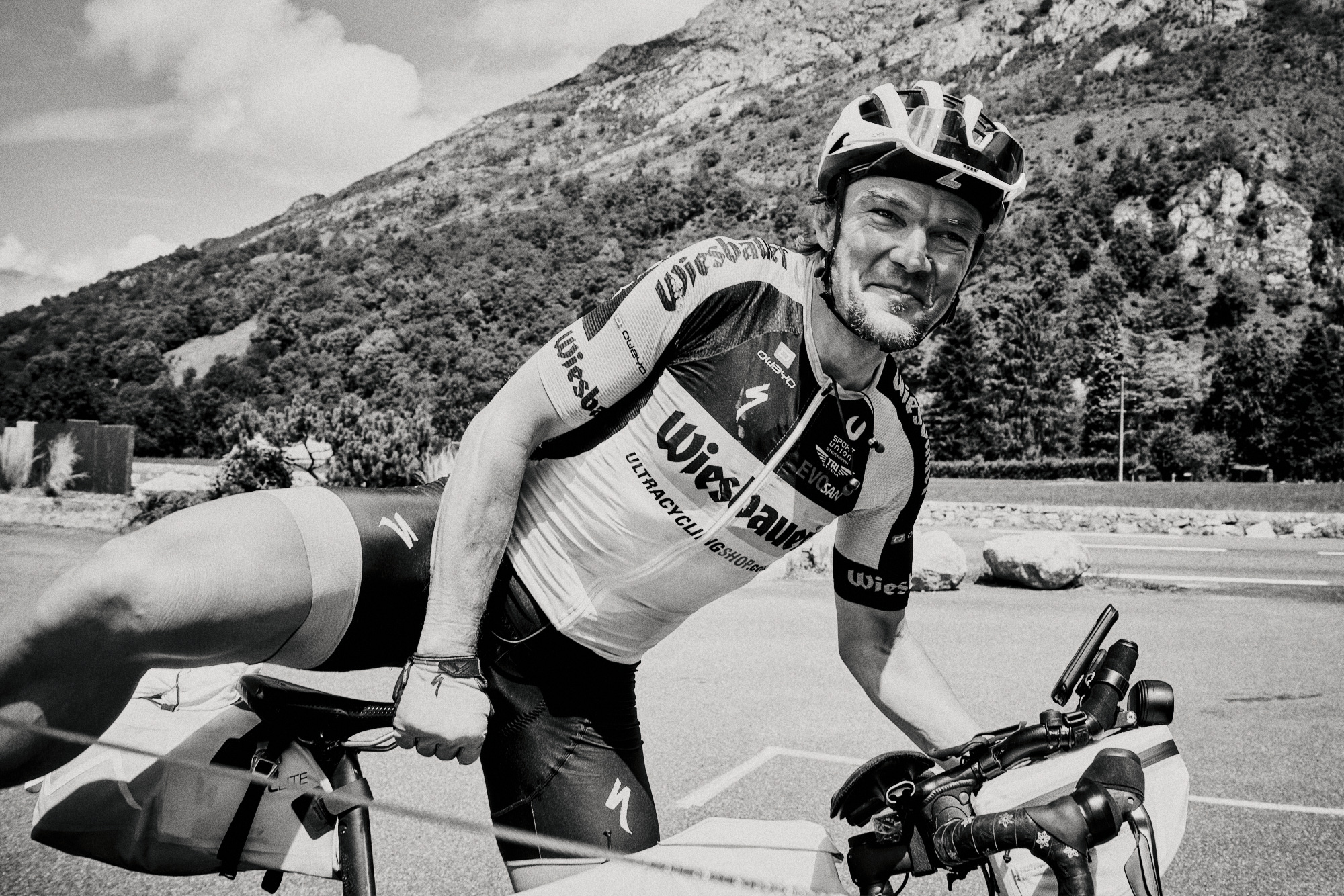
Back following a year's hiatus to add another label to his existing TCR triptych – “an experiment, a failure, and a success” – Robin Gemperle returns exuding confidence. When we spoke, Robin reflected on the transformation of his inner dialogue since emerging at the sharp end of ultra-cycling in 2022. “There are fewer doubts about my capabilities,” he said, “fewer doubts about whether I'm in the right place.” Yet as his confidence has grown and any lingering diffidence has faded, his motivations to race have become more nuanced. He admits he’s no longer as uncompromising as he once was; perhaps winning simply matters a little less. And yet he still can, and he still does. It's a tension Robin has captured in the simple contentment that comes from "going into a race you know you're good enough to win, but also knowing that your happiness doesn't depend on it.” Many harbouring podium ambitions would surely envy such serene self-assurance.
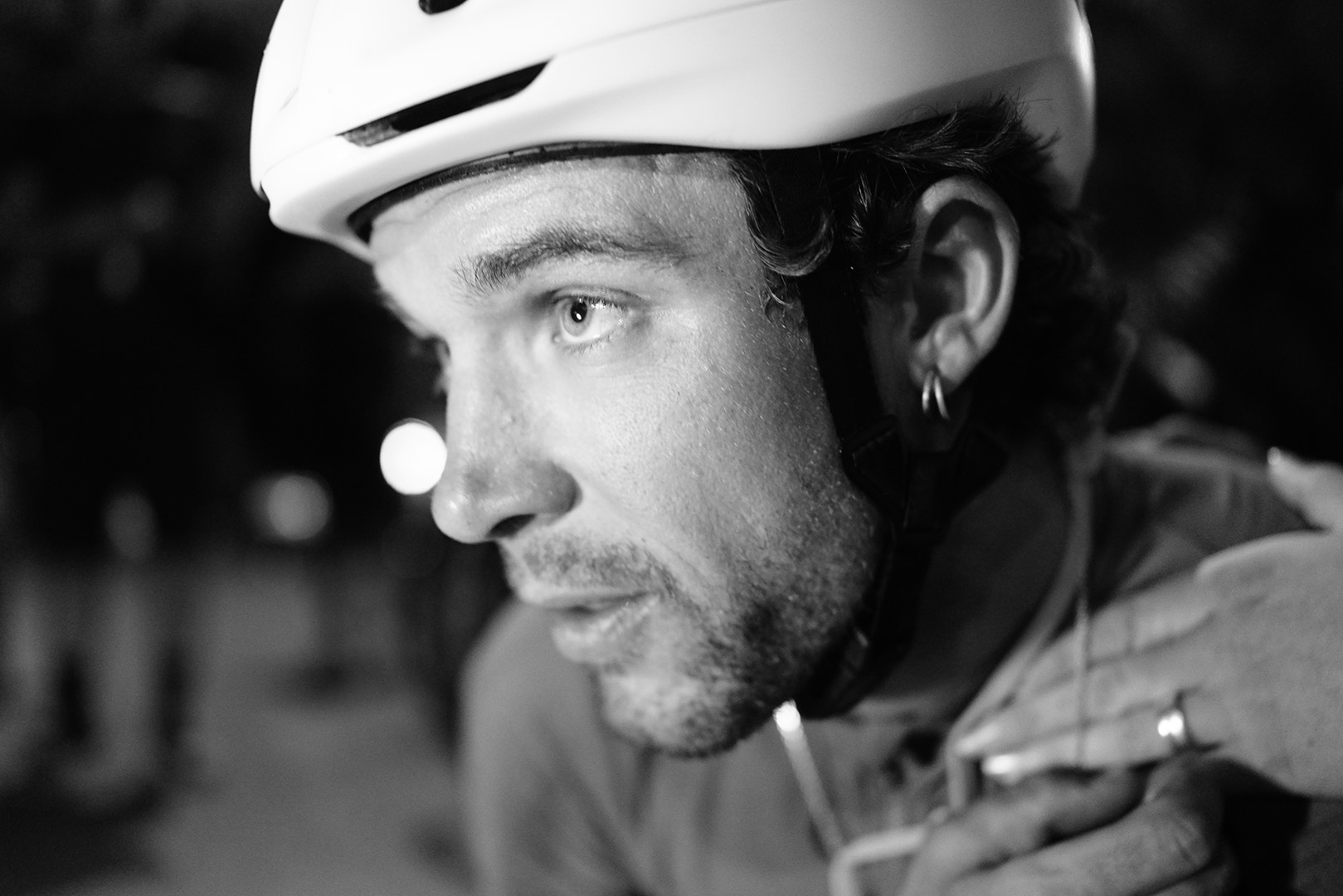
But Robin is not alone. Indeed, it's a mindset that seems to unite many of those who have spent an extended spell at the top of the sport. Jana Kesenheimer, 6th in last year’s GC, and the fastest woman in both of the last two editions, is back in the hope of pushing her position ever higher, as well as to compete for the all-new FLINTA category win. Approaching her third TCR, Jana has described winning as just one thread of a broader motivational tapestry. Last year, she discovered that racing hard and enjoying herself were not mutually exclusive outcomes; this year, she returns determined not to sacrifice one for the other. Like Robin, an all-costs victory no longer holds the same appeal. That philosophy extends well beyond the race itself. As always, Jana will travel to and from the start via a combination of ferries, buses and trains, qualifying her for the Green Leaderboard – a classification reserved for those riders committed to low-carbon race travel. She now considers the journey itself a ritual, something that puts her “into the right spirit to race.” If the last two years are any guide, those with lofty aspirations might do well to take note.
.jpg)
A veteran of the Green Leaderboard, having claimed its inaugural title, Tim De Witte knows better than most the virtues of a calm race commute. Returning for his fourth edition, Tim has quietly become one of the race’s model performers: three starts, three finishes, and a trajectory that carried him from 26th on debut to consecutive podiums. So the question remains: does TCRNo12 hold promise of a third bronze medal? Or will this be the year he steps up to a higher rung?
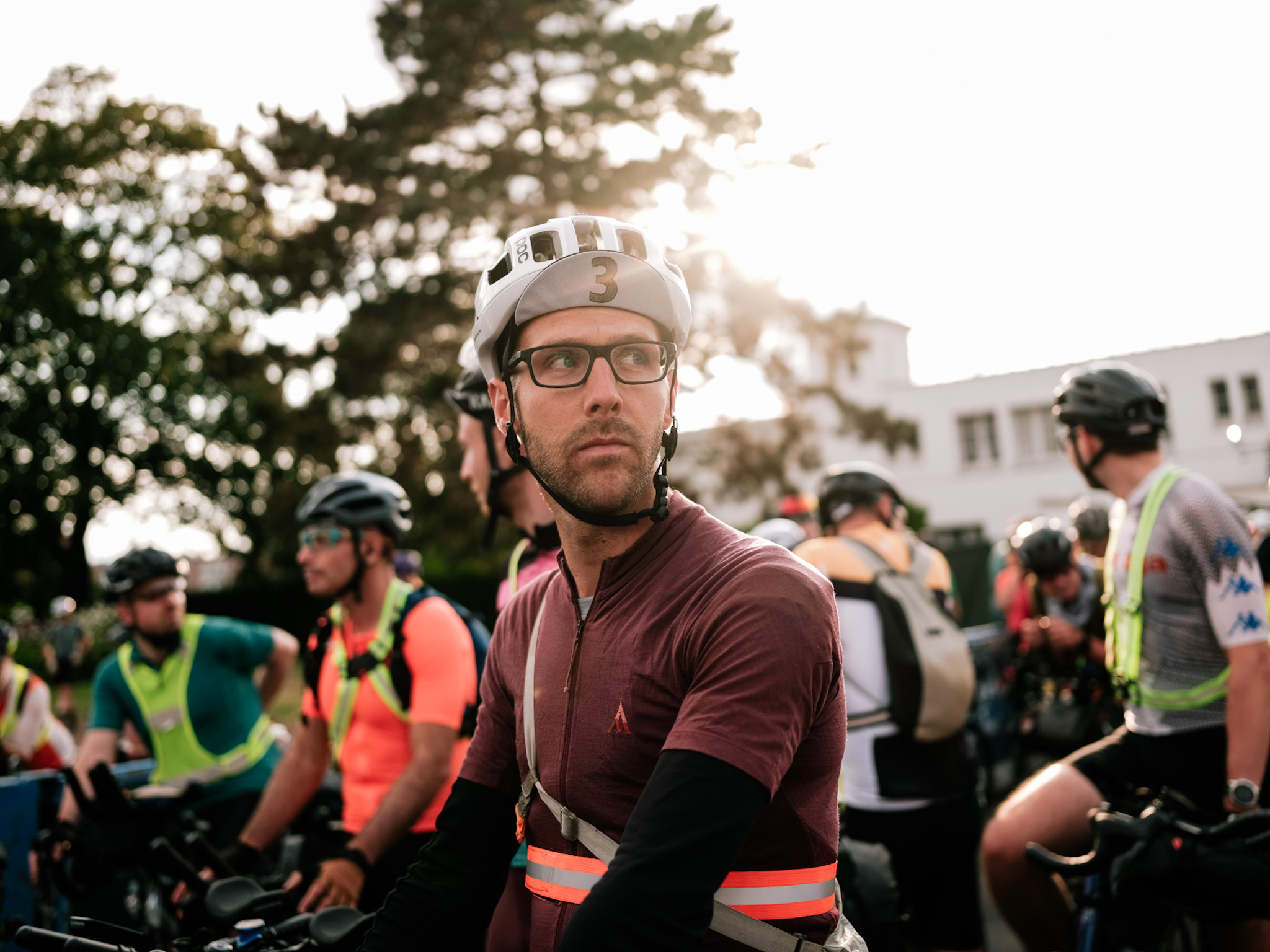
It’s one thing to have quiet ambitions of a shot at the top spot, a FLINTA category win, or a spot in the top 10, to have eyes on the Green Leaderboard, or dreams of raising the Maglia Arancia; it’s another to have these expectations thrust upon you on a public stage. After his debut performance, however, it’s no surprise that dot-watchers are left wondering just how high Martin Moritz can climb, given his pitch perfect pacing sailed him into second last year. Yet when we spoke, Martin kept his own aspirations remarkably modest. Describing success in terms of presence and appreciation, rather than comparison, he hopes once more to tap into the flow state – that place where the mind quiets and the body takes centre stage.
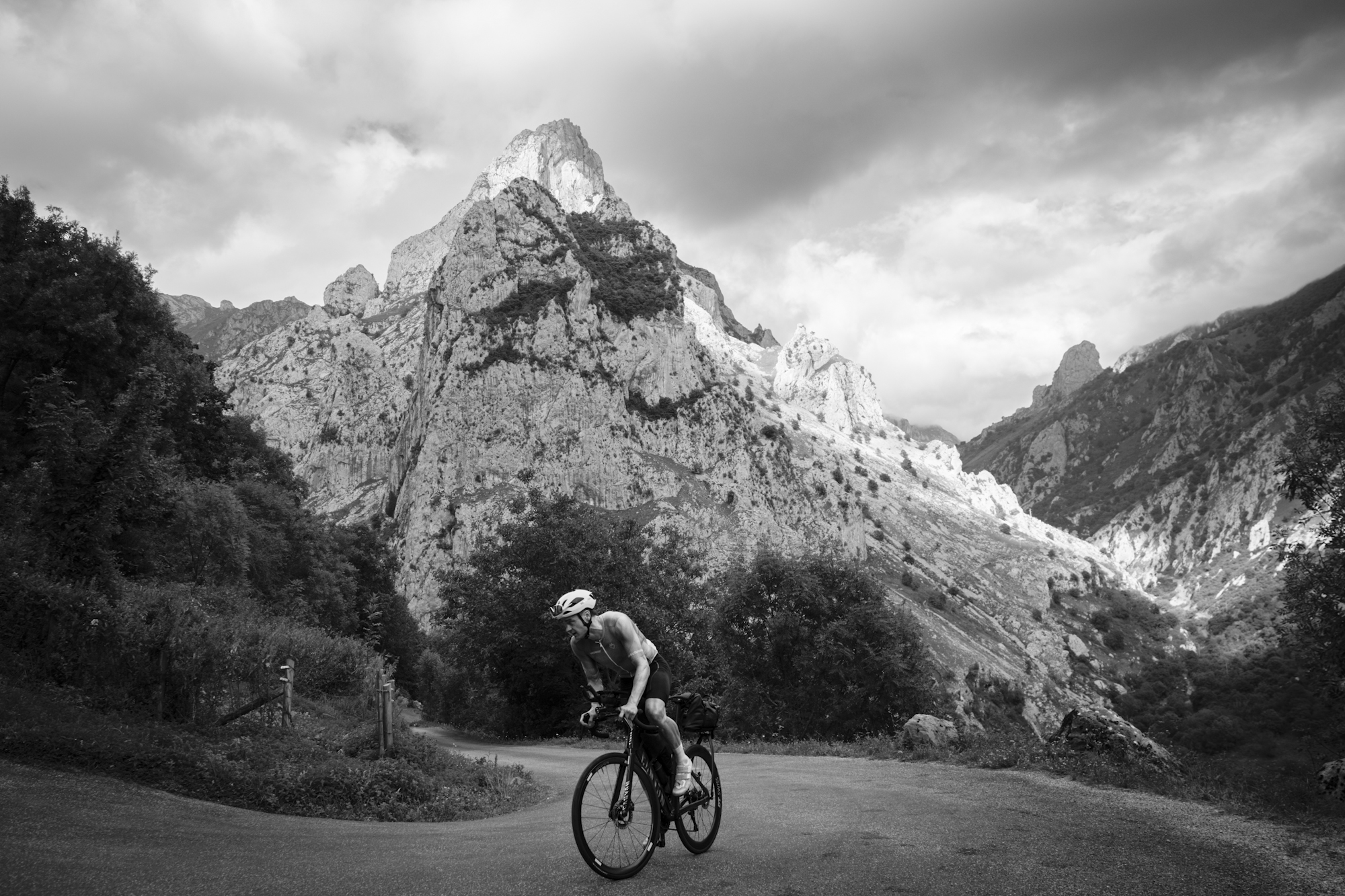
Also returning for a second appearance, Anna Carlqvist is curious to test the limits of her potential, having found her TCRNo9 debut, if anything, too enjoyable. Strategically, she’s well placed. A seasoned Nordic rider, who raced Bright Midnight last year, she knows just how much the midnight sun can lend to a night shift. With a major victory as first woman at Race Through Poland already under her belt this season, the terrain surrounding the second control should also feel reassuringly familiar. If Anna can refine that sharper racing edge without losing the enjoyment that marked her debut, there’s every chance her TCR encore could shake up the established order.
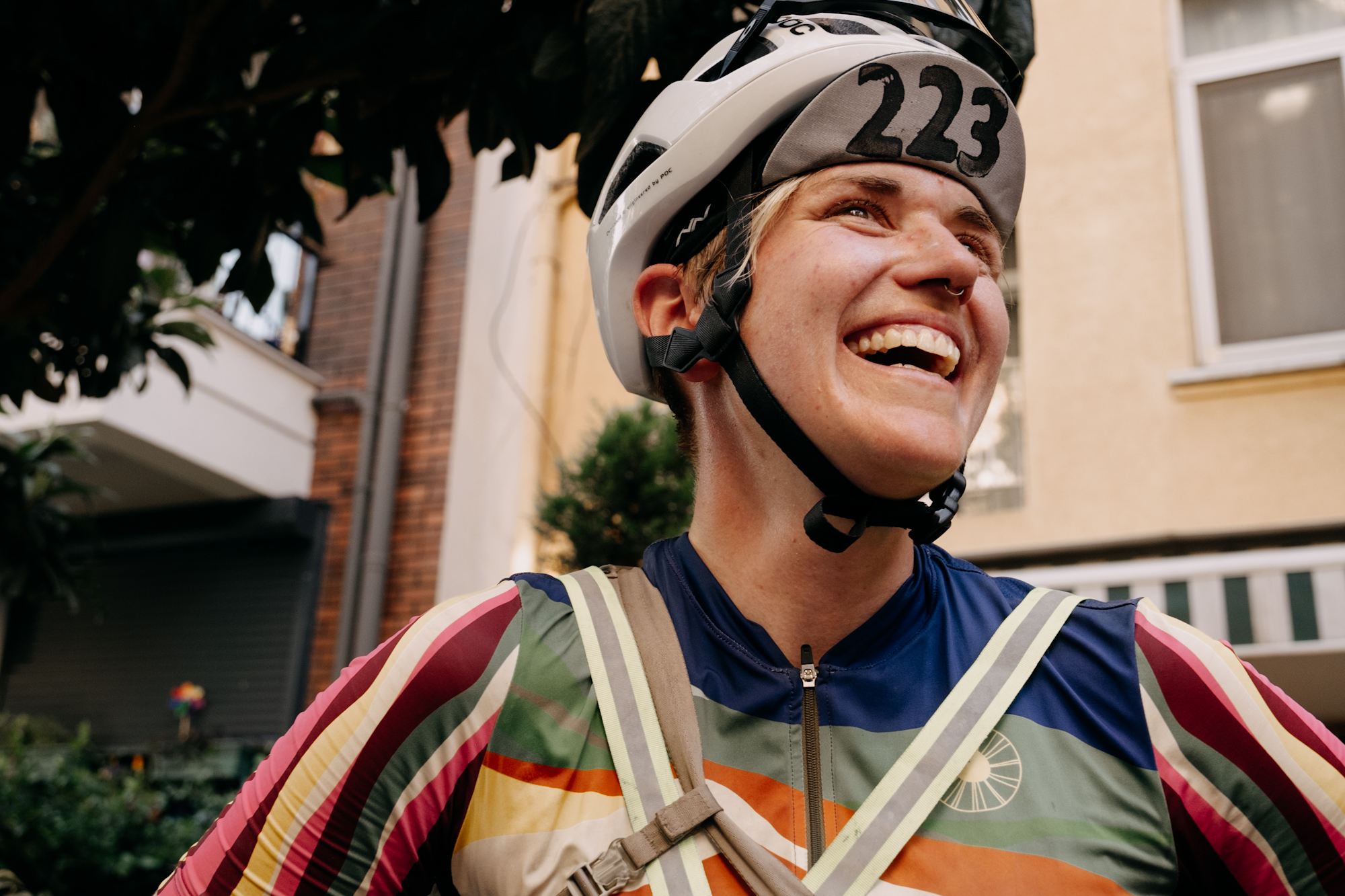
Despite never having considered herself an athlete or racer, Hélène Fromenty has amassed an impressive palmarès since her competitive debut in 2023. Second woman across the line at 2024’s Two Volcano Sprint and fastest woman at TPRNo5 last autumn, she has tested herself in free-routing and demonstrated a keen understanding of what it means to compete in the spirit of a Lost Dot race. Like many accomplished ultra-racers, Hélène attributes her success less to outright speed than to efficiency. Brief stops, disciplined pacing and the quiet accumulation of kilometres should all pay dividends in one of the longest TCRs to date.
.jpg)
Joining Hélène on the start line – and inviting a reprise of their close-fought contest at the 2024 Two Volcano Sprint – Nicole van Batenburg (XXX) has decided to add a longer race to an already prolific palmarès. Having kept, till now, to the punchier races, Nicole has proven she can hold her own in ultra’s sprints. Topping the women’s field in the Race around Rwanda and the Utrecht Ultra, alongside category podiums in the Unknown Race and the Two Volcano Sprint, hers will be a dot to watch. It remains to be seen how Nicole will rise to the challenge of more than 5000 kilometres in the saddle.
Despite having spent much time snapping at the heels of previous TCR champions, coming second to Boy-Wonder Bosoni at the Traka this year, and then again to Robin at Unbound XL, Max Agut is yet to take to the stage that put them on the map. While no stranger to a silver medal, Max has also proven he can head a race – what’s more, one with all the complexities that free-routing yields – after his commanding win at last year’s TPR. But in a race this finely balanced, a time penalty, like the one incurred in the Pyrenees for a jettison of kit, can often prove fatal. If Max is to convert a season of seconds into a shot at the top spot, he will have to be careful to ride on the right side of the rules.
-3.jpg)
Of course, there are more, some known, some not. While the field deepens and the race matures, the cast of characters each with their own ambitions and, crucially, with the potential to back them up, grows ever stronger. As veterans of the race well know, there was once a time that Kristof Allegaert – pipped to TCRNo2’s first control – asked, incredulous, “Who is this Josh Ibbett?” Now, a decade on, we wonder: who might prompt such questions this year?
Our cast assembles. Europe awaits. Yet even as our players prepare to draw a line due south, where carefully rehearsed plans will meet the inevitable improvisation of the road, the stories – whether comedy or tragedy – remain to be written. So, if distance be the food of desire, read on.