
Pre-Race // Once More, with Feeling
September 24, 2026
Words by Stuart Downie
Photos by Alex Duffill, Liz Seabrook and Tomás Montes
September is here, the leaves are turning and starting to fall. Outside it is damp and drizzly. But let’s not grow grim about the mouth – let’s go to Girona, for the start of Trans Pyrenees Race No6. No stepping into the street and methodically knocking people’s hats off. Together, we are off on an adventure.
“I always said that this was the most beautiful race I ever did, of all the events I've been in.”
– Jana Kesenheimer (002)
Before we embark in earnest, perhaps I should introduce myself. This will be the fourth time I’ve been Lost Dot’s Race Reporter. In the past three editions, I’ve avoided writing myself in (for the most part) – these race reports are not about me. I’m also not a member of the team. I abandon the glory and distinction of such offices to those who like them. I’m employed to relay the daily happenings to you, at home, wherever you are, trying to give you a little piece of the Pyrenees and the people that you love as they make their way from coast to coast. I am not an ultra cyclist (every year I’m asked if I race, or if I’m going to race, if I would race TPR – every year, I say: no). Let me be clear: I am a fan. I’m not impartial. I am an impassioned observer. I hope that will show as we make this trip together.

If that first paragraph is a little confusing, I promise it will all become clear. As with all editions and incarnations, the race retains its signature mix of fixed parcours, free route, and control points. Between these three things, riders tormented with an everlasting itch for things remote are presented with challenges and choices aplenty that tease forbidden seas and barbarous coasts.
“We celebrated the fifth edition with an unusual route mandating gravel when we never normally do that,” says Race Director Andrew Phillips. “That's given us the opportunity to refocus on what TPR originally was, and was intended for. The distance has come down a little, although it's not exactly short. We want it to sit within the realms of the achievable, but still be a huge challenge. Ultimately, if you take on a race like TPR, you're doing it because you want a challenge. You want to find out your strengths. You want to find out how you react when you're pushed that far, when you really go to your limits, and sometimes even beyond. We’ve got to be careful that we don't deprive riders of that, but also that we don’t create an impossible monster.”

Not a Piddle to the Shops
Lost Dot’s Trans Pyrenees is always a double crossing of the Pyrenees. This year it starts in Girona, heads towards the Mediterranean, then across to the Atlantic before returning to Girona.
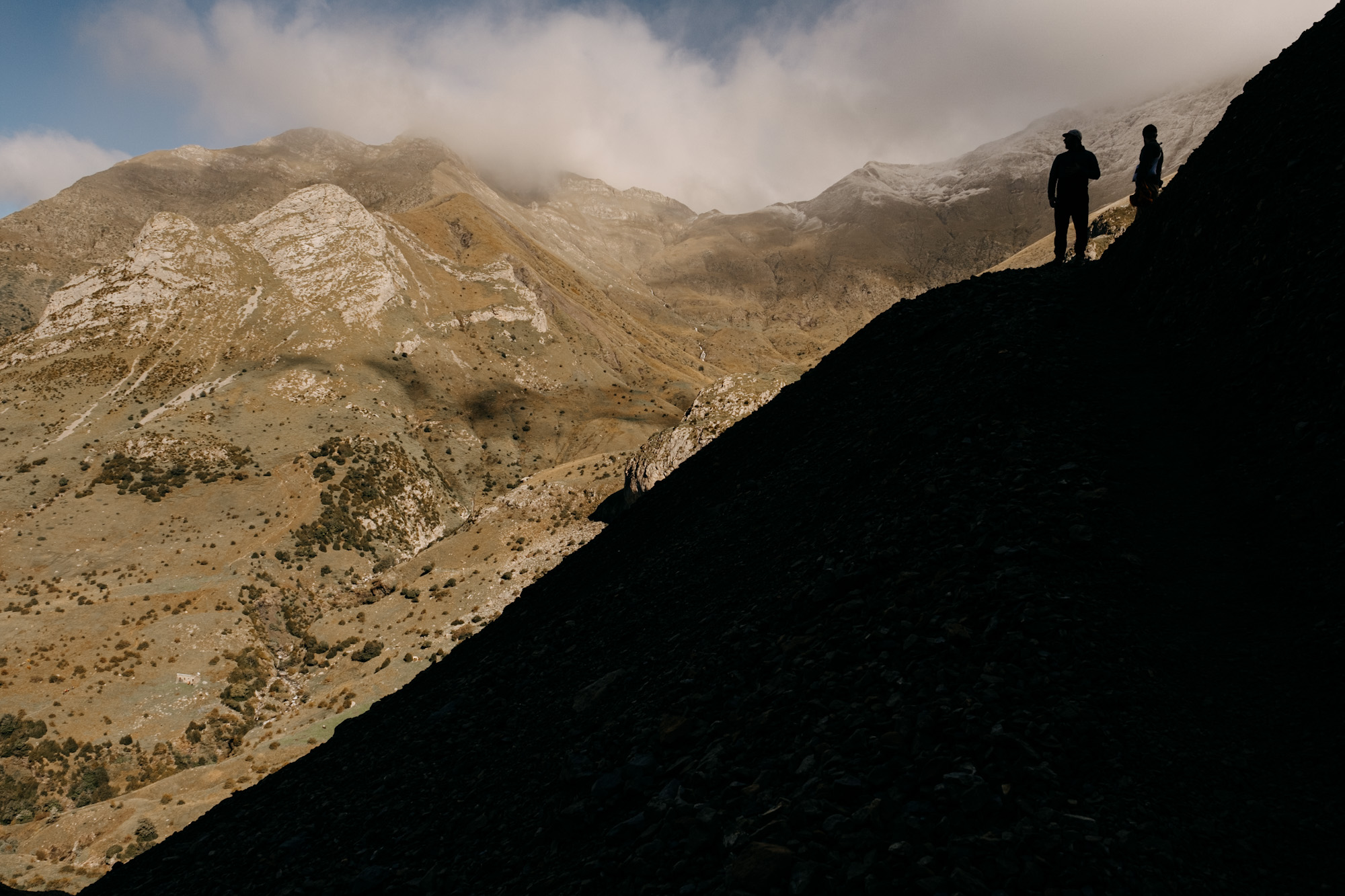
“The first half of the route is going to take riders to some areas they won't have been to before, even the TPR veterans. We've got some brand new bits of parcours, way south of the Pyrenees, in the foothills, south of Cadí-Moixeró – there’s some really, really interesting riding around there. Even bits that people familiar with the Pyrenees themselves might not know about, so that'll be exciting.”
One of TPR’s evolutions for 2026 takes a leaf out of the Barkley Marathons’ book, a notoriously hard running race in Tennessee where competitors must tear pages out of books to prove they’ve reached various checkpoints on the course.
At Trans Pyrenees, the first control point is traditionally passive – that is, there’s nobody there. You must pass a certain point, and your doing so is verified by GPS. This year, there’s a little more to it.
“We've drilled a hole in the corner of a book and zip-tied it to some railings. Riders go there, tear a page out, and when they get to CP2, volunteers there are going to write down their favourite line from that page in the brevet card of the riders.”
Book Smart
Nothing like a little light reading to pass the time. The book? Rather than give it away (we must have a little mystery, mustn’t we?), there are clues in this report – see if you can work it out. Maybe you read it a long time ago. Maybe you’ve never read it. Maybe you should! If you’re reading this, you like challenges – of the mind and/or body – and you’ll likely read anything.
The Lost Dot Team carefully recces all their parcours, seeking opportunities to surprise and delight riders whether they’re new or returning to the race. After the turnaround at the Atlantic, the race proceeds back along the Raid Parcours, featuring all the jewels in the crown. More about these sections as the days progress – suffice to say there’s plenty to look forward to whether you yourself are new or returning. Follow on social for more astounding photography, and listen to the podcast to hear from the riders themselves.
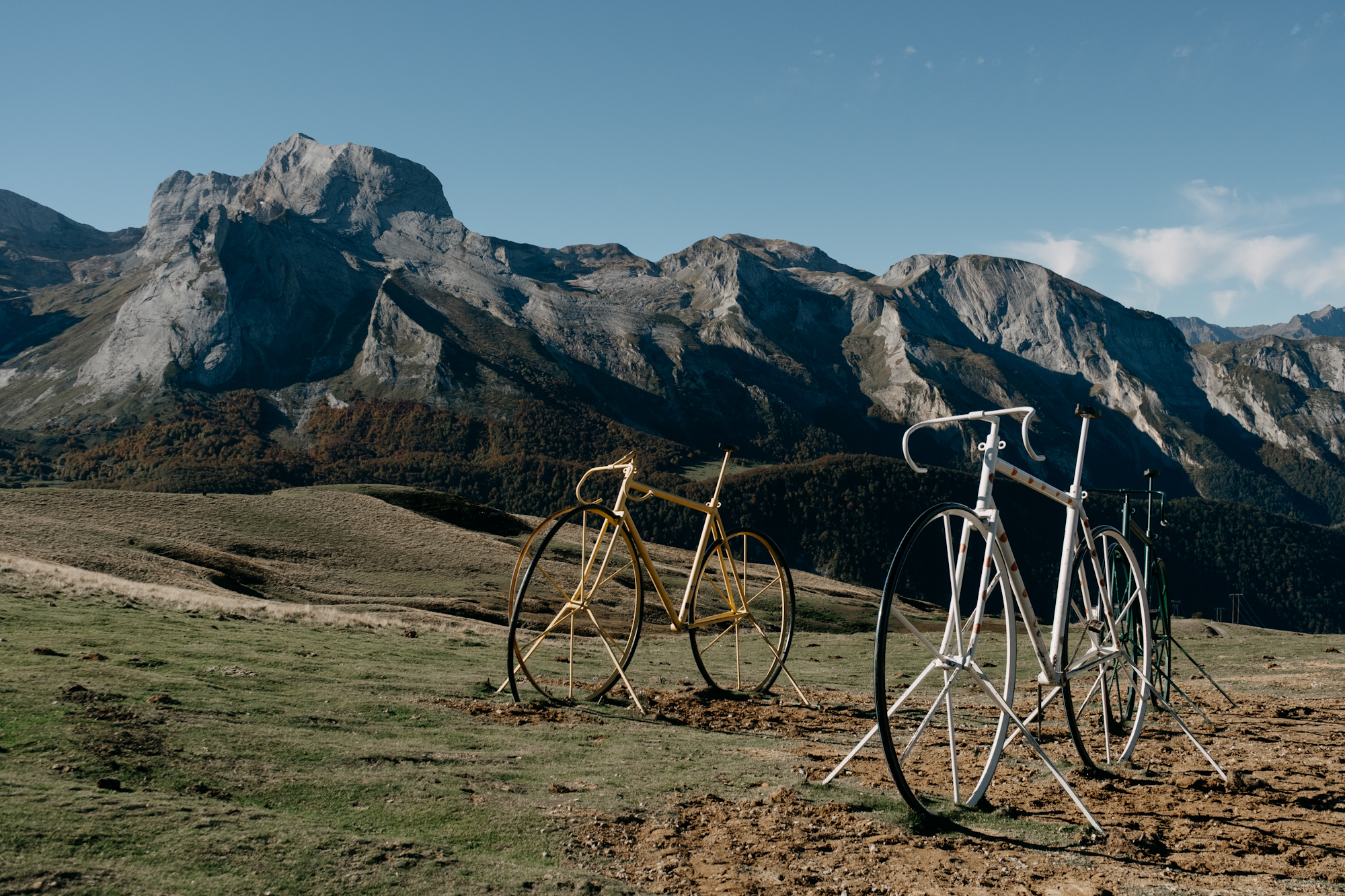
In giving this race context, Andrew also notes that TPR is often unfairly viewed as TCR’s younger sibling. On the one hand, being Lost Dot’s flagship race, it’s impossible not to compare the two, berthed as they are in the same dock. To give us some perspective, however, Jana Kesenheimer – veteran of both races and one of ultra cycling’s bona fide stars – firmly puts the notion to bed:
“It's not at all a shorter TCR, not at all an entry-level race. I hope I'm not scaring anyone, but I felt it was really difficult. The nights are so long, and the temperatures vary a lot. It can be really chilly or even freezing at night. There will probably be rain, and the high mountain passes alone add some difficulty because you can't stop just anywhere – you have to keep riding because it's too high an altitude. You really have to plan where you're gonna sleep. It's not like TCR, which is relatively easy in terms of resupply and finding shelter or just sleeping beside the road, because most of the time you can always stop.”
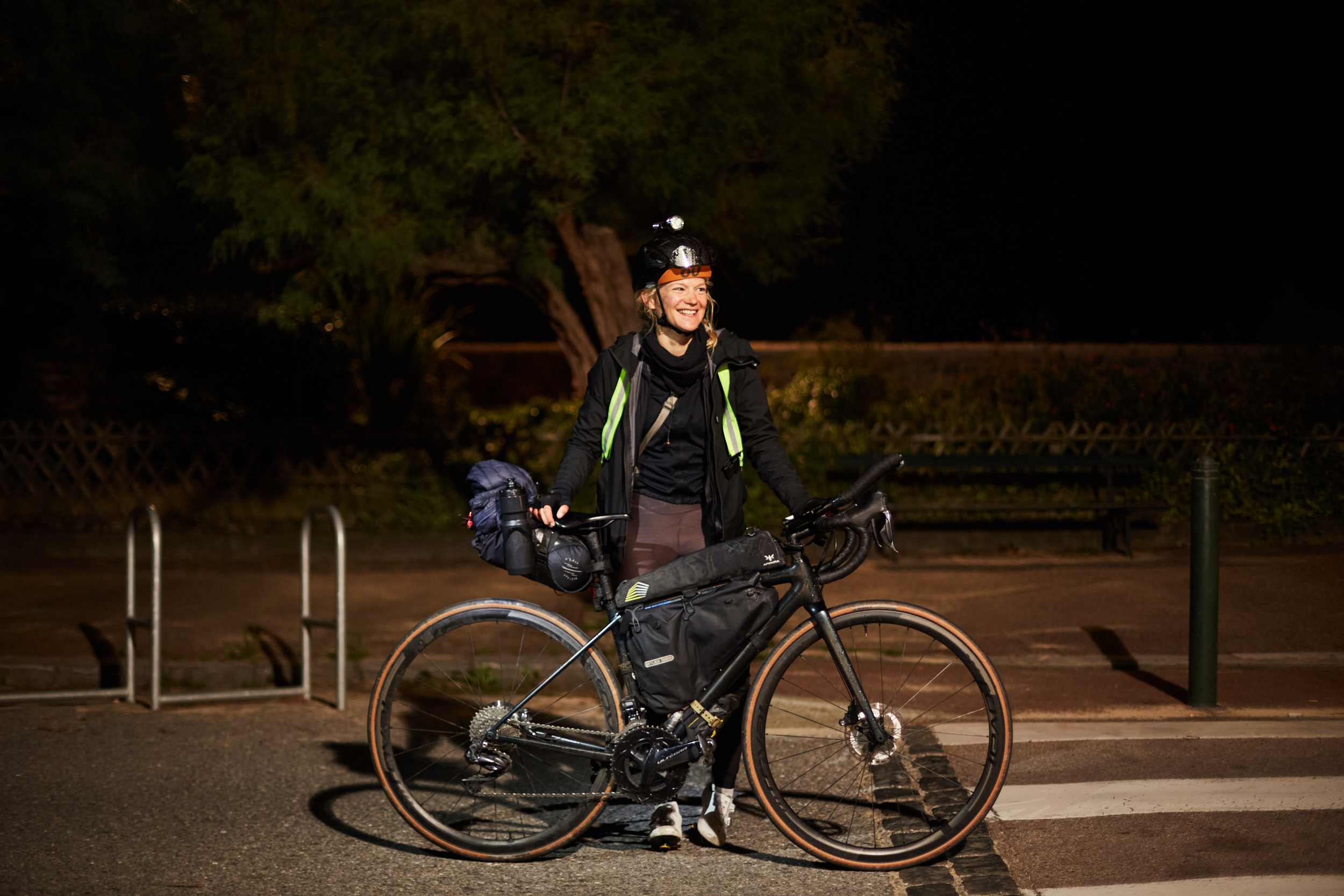
Andrew continues, recognising that TPR’s high return rate among Lost Dot races is in part because this complexity is actually part of its charm.
“You've got to have got to the end of the season and still want to do it. You've got to acknowledge the risks and potential discomforts of going into the high mountains in the autumn. You have to be able to take on all that climbing. You’ve got to contend with the shuttered French villages and resupply on the Raid. It’s such a potent cocktail of civilisation and wilderness, of beauty and discomfort, so many competing and contrasting narratives, that it's quite addictive. The only way to know, though, is to dust your bike off and come and do it.”
Great Expectations
All of this is to say, of course, that the rewards for these risks are many, and often sublime. Second-place finisher at this year’s Transcontinental, Jocelyn Roth (005), has raced TPR before. Never mind ultra cycling, Jocelyn only took up cycling during the pandemic. If his career is relatively short, it’s not without its remarkable upward trajectory. The Pyrenees are where he found his passion for the sport, but after a result that has put him on the map at Transcontinental, Jocelyn is pragmatic about his return to the Pyrenees.
“I have quite low expectations about my fitness. What I really expect is the adventure of being back in the Pyrenees. In 2024, I passed through villages I passed through in 2022. I had this feeling about my old self, doing this race, making all those mistakes, being amazed by everything. And it was quite a nice feeling to say, ahh, I've been there and I know this place and I’ve changed, it's changed. Even the cols I did at night once and then during the day and so on. I'm really looking forward to seeing new things, and I'll be back at the places where I have all this racing history.”
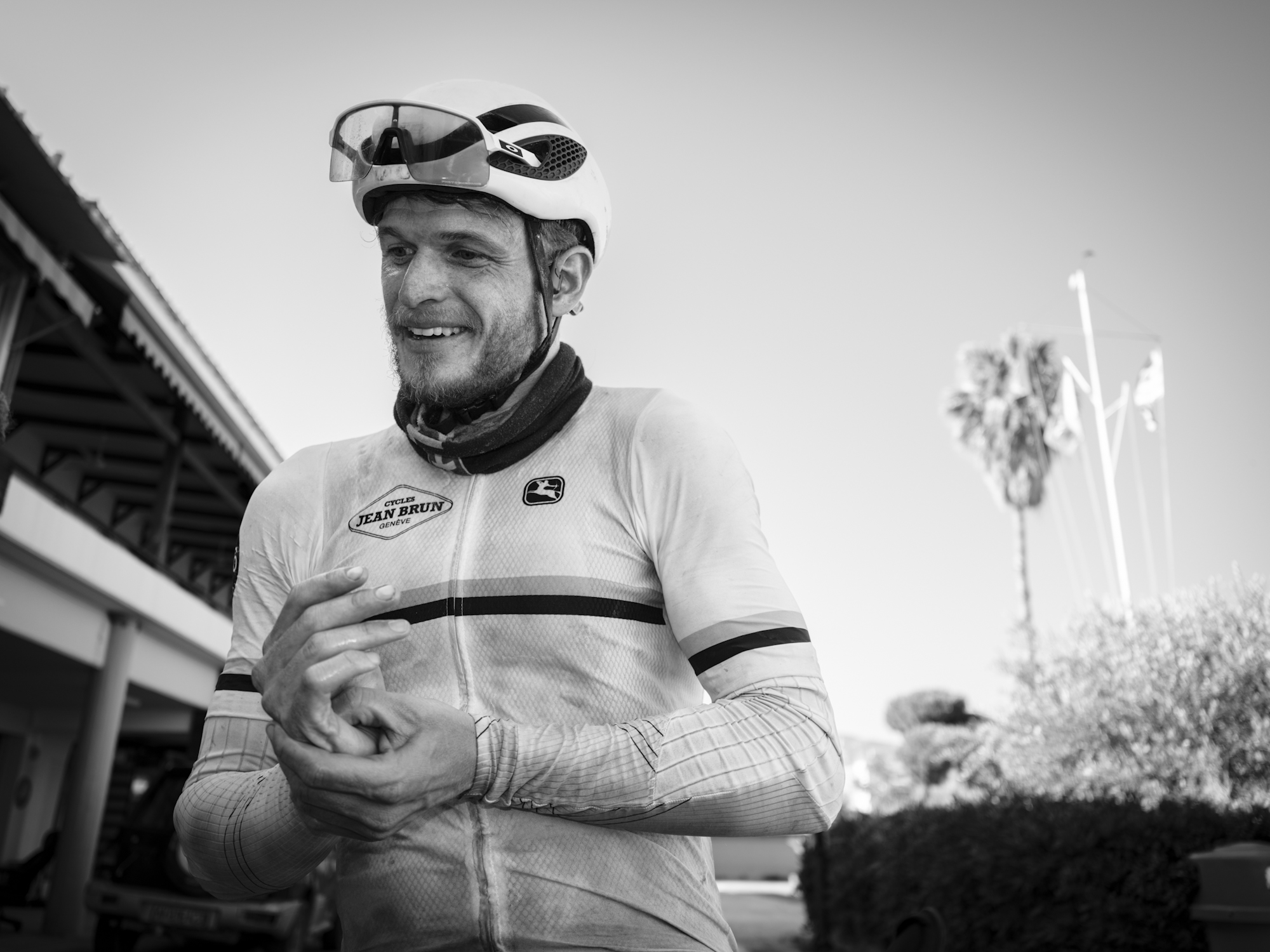
Jocelyn will be one to watch at this year’s race, and he’s also one of 75 riders on our Green Leaderboard. This classification, which runs alongside our general classification, is dedicated to riders who choose to travel to the race by low-carbon means. It’s not always possible to do this but Lost Dot are keen to incentivise planet-conscious participation where possible.
Of course, the race could not happen without its team of passionate volunteers, both at home and out on the course. Andrew has this to add: “It was my first introduction to Lost Dot. I volunteered at TCRNo7 in Serbia. I learned so much about racing there, and I almost certainly wouldn't be in this position, race directing TPRNo6 if I hadn't done that.”
Among the riders this year, Grace Pyne volunteered at last year’s finish in San Sebastian.
“So much goes into getting people to the start line. I'm not hugely experienced, but I've done some races and I just know more than anything else, racing a bike, riding a bike is a complete antidote to life. What a privilege to be out there in the mountains, I really love the kind of feeling that I can or that I'm able to get myself into that space. Volunteering was also, let's have a little look at what's coming. Can I scope this situation out and see if the Trans Pyrenees is for me?”
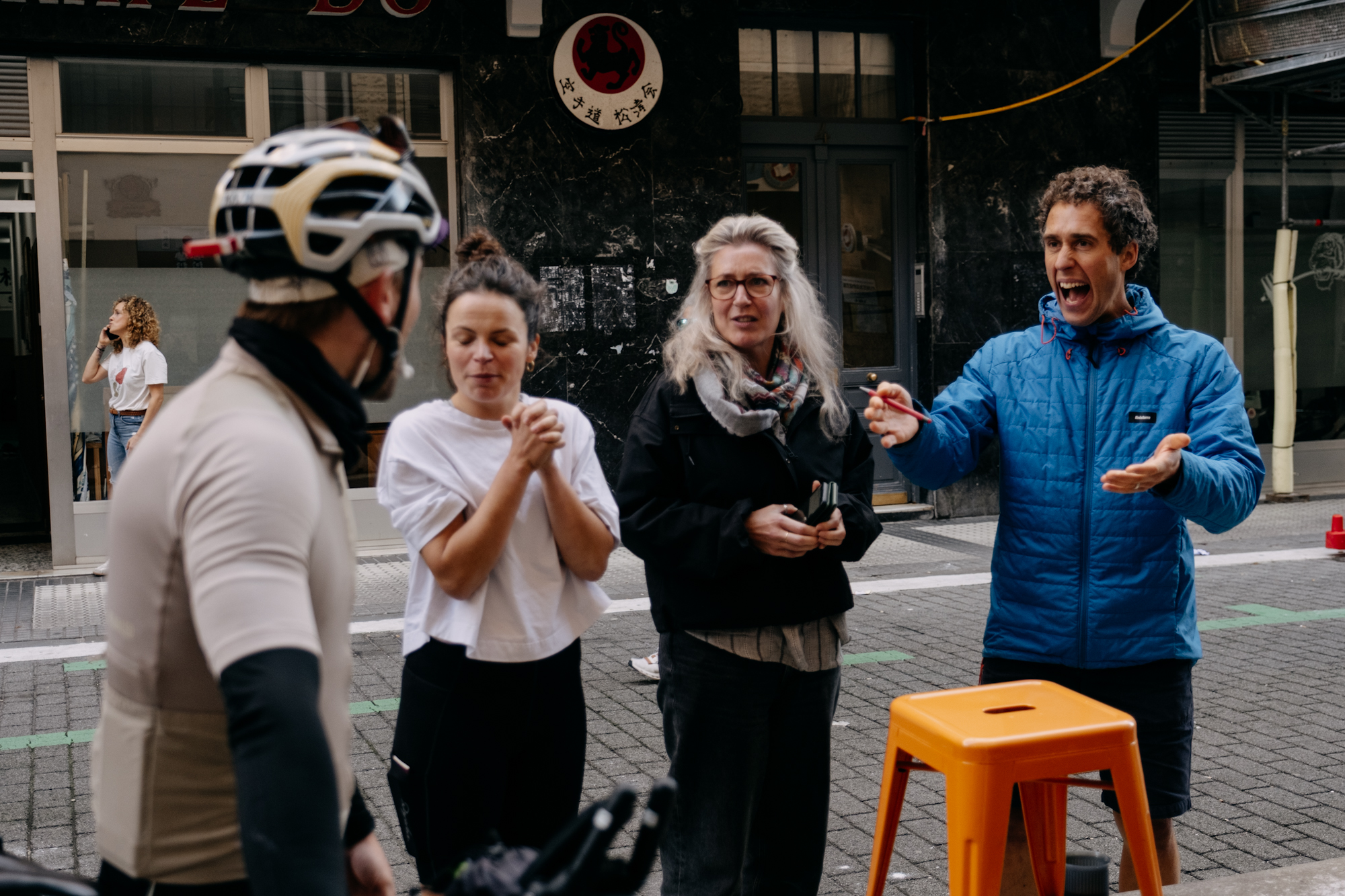
The answer must be yes, because Grace lines up this year with 15 other FLINTA riders in a field of 144.
Out Standing in their Field
To our riders. On the topic of returning riders, TPRNo5’s winner Max Agut (001) returns, the first Pyrenean winner of the Trans Pyrenees, with some strong results earlier this year including a second place at Unbound XL behind TPRNo4 winner and ultra wunderkind Robin Gemperle. A scratch at TCR leaves us to wonder, like Jana does he come here with an itch to scratch?
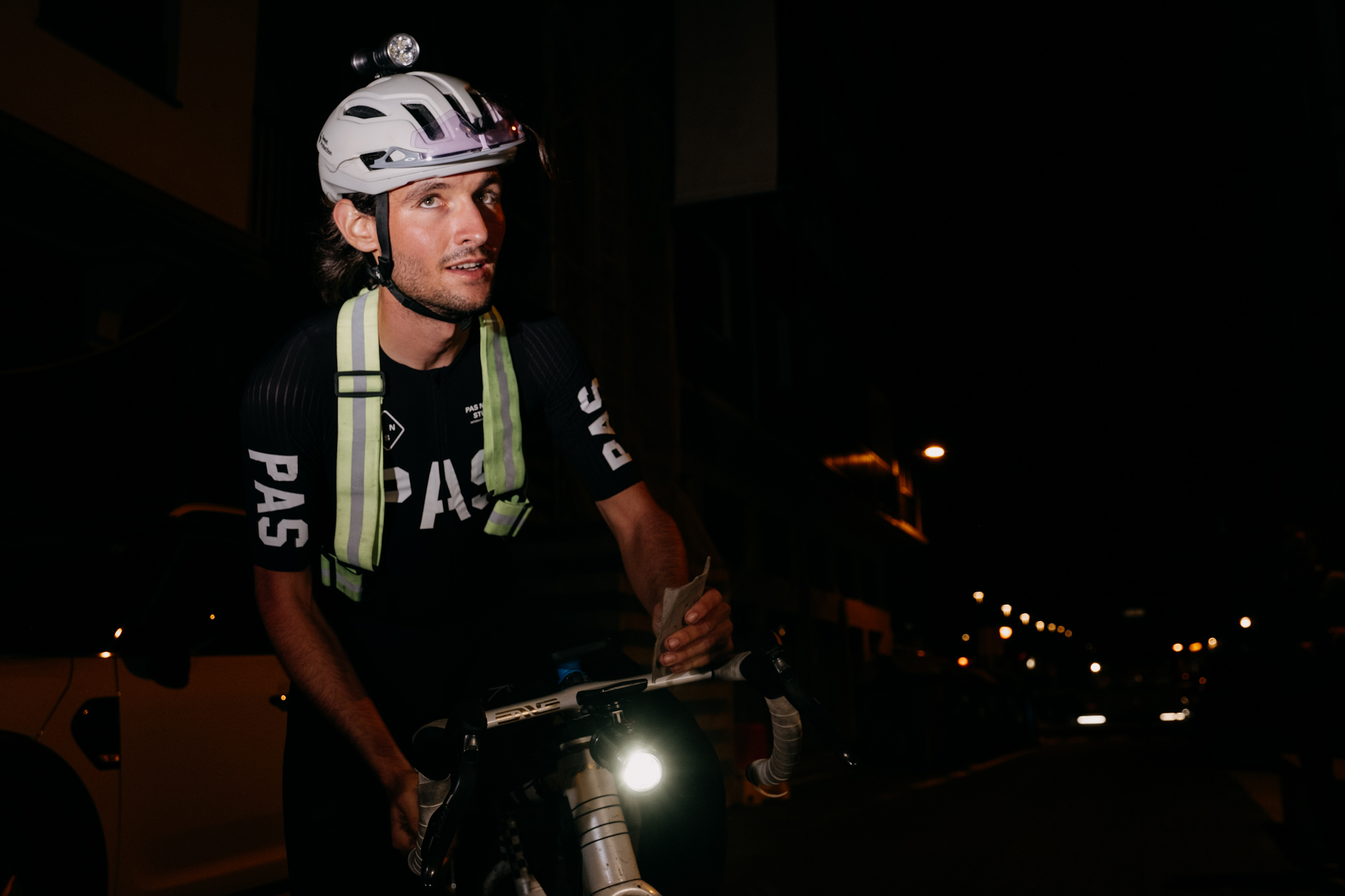
Alex McCormack (093) returns. At TPRNo3 he managed a 13th-place finish in spite of struggling with his stomach. Earlier this year he set the seven-day distance world record, and finished third at Unbound XL, sharing a podium with Max. Strong competition in a very different setting.
That’s not all. Adam Bialek (006) returns this year. Adam led TPRNo3 before scratching due to a mechanical. What is most interesting, perhaps, is that his approach then was pure tarmac – he took no gravel shortcuts, maintaining a high average pace on the road while others opted for more risk-laden adventurous options. We hope this edition puts the spectre of that scratch to rest for Adam, and it will be interesting to see if this purist approach remains – and if he’s still riding rim brakes.
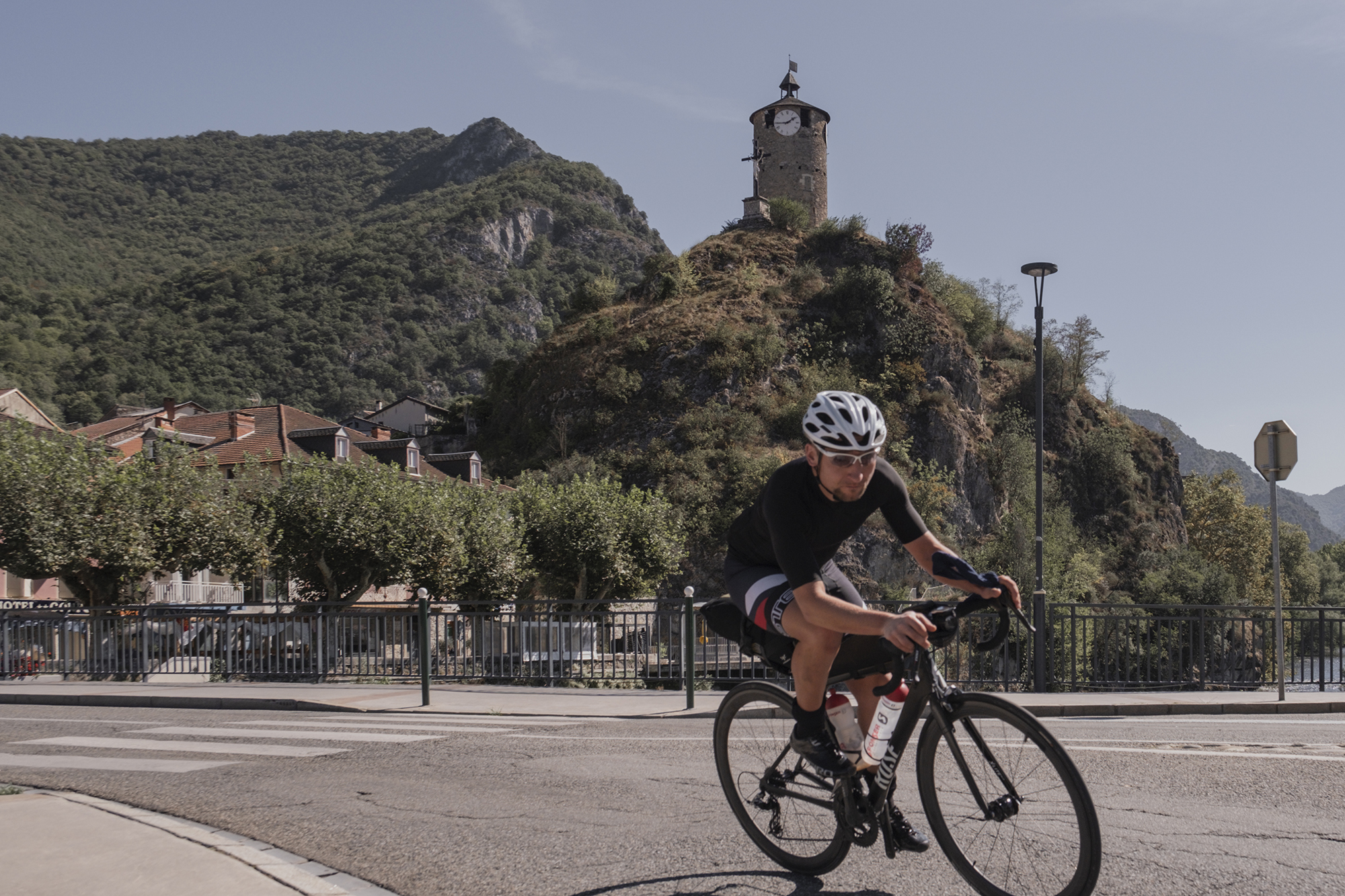
Another of the waning 25c tyres and rim brake crew and returning TPR riders is Robert Mueller (003), winner of TPRNo2. If Adam is lawful good, Robert is chaotic neutral. At TPRNo4 he attempted an off-road high mountain pass after a night of snow, in a pair of hotel slippers – in his words: “this is probably the stupidest thing I’ve ever done”. But a strong 7th-place performance at TCR with his Graeme Obree-esque Aerobert bike sees Robert back for more, and it’ll be interesting to see how his experience and approach add to the mix this year.

In the FLINTA field, Anna Richter (004) lines up at TPR for the first time, having put in a blistering performance at Lost Dot’s 101 race earlier this year. How will their raw power stack up against the experience of riders like Jana Kesenheimer? That’s one of many things we’re excited to see play out in the coming days.

So, dear reader. It is registration day. We are to share in some wholesome exercise and pure air. Are you excited? I am. I’ll be your narrator. Don’t call me Ishmael – I’ve been here before.