Day 10 // Done
July 30, 2026
Words by Jake Thorpe
Photos by Matt Grayson, Tom Gibbs, Tomás Montes, Sam Dugon, and Weronika Szalas
A Swiss Watch is Wrong Once a Race
Rolling up to Leskovik yesterday evening, having spent yet another day cooped up on the road in pursuit of Robin Gemperle (001), Hawk Team 1 were rather in favour of a quick wet of the beak at the local Melesin gin distillery. After our third consecutive transition day, we felt we’d earned it. Not, mind you, as much as those approaching their tenth transition day, who’d be arriving later. Before we got the chance, however, a quick glance at the watch – always a hazard where the compatibility of our plans with Robin’s is concerned – told us that this was unwise. With the Greek border set to shut up shop for the evening in just over an hour, we decided to cover the 13 km from Leskovik sooner rather than later, to leave us a little time in hand.
As we meandered our way towards the frontier, another glance, this time at the Hawkmobile’s electronic clock, rather than my mechanical watch, suddenly revealed a rather different story. Far from having time in hand, we abruptly found ourselves very much within its grip. Moving from Albania into Greece, we’d failed to remember that we were also changing timezones – losing an hour as we moved from CEST to EEST. The border’s closing hour of 21:00EEST had suddenly become far more imminent.

Haring down the final stretch to the border control, we made the cut-off by a whisker: 20:59:59. Now we know how Björn Frey (420a) and Michael Hunziker (420b) felt back at CP1. The situation, admittedly, held a certain irony: almost being foiled in our pursuit of the Swiss Whippet by a misguided faith in the famed precision of one of his countrymen’s watches.
Thankfully, later that evening, the Hawk Team’s beaks got the dousing they deserved at our accommodation, just across the border. Pouring us a measure of his own local libation, the hotelier was clearly in charitable spirits, having just been informed that hordes of hungry cyclists were, over the coming weeks, heading right his way.
Comeback Kid
Nicolas Chatelet (126) was less fortunate with his border schedule. Unaware, perhaps, that the Tre Ura border closes its gates every day at 21:00EEST, and doesn’t reopen them until 07:00EEST the following morning, Nicolas arrived on the cusp of his final country at 02:30EEST. Forced to wait out the night in a bivvy beside the border and cross first thing this morning, the Frenchman admitted that the chase for Robin had run aground. Despite riding at a moving average nearly half a km/h faster than the leading rider, and covering the distance between CP2 and CP4 a full eight hours quicker, Nicolas's bid to overhaul Robin’s race ultimately proved a case of too little, too late. Bar any major misfortune on Robin’s part, the race lead looked all but iron-clad. The podium’s other steps, however? These were very much up for grabs.
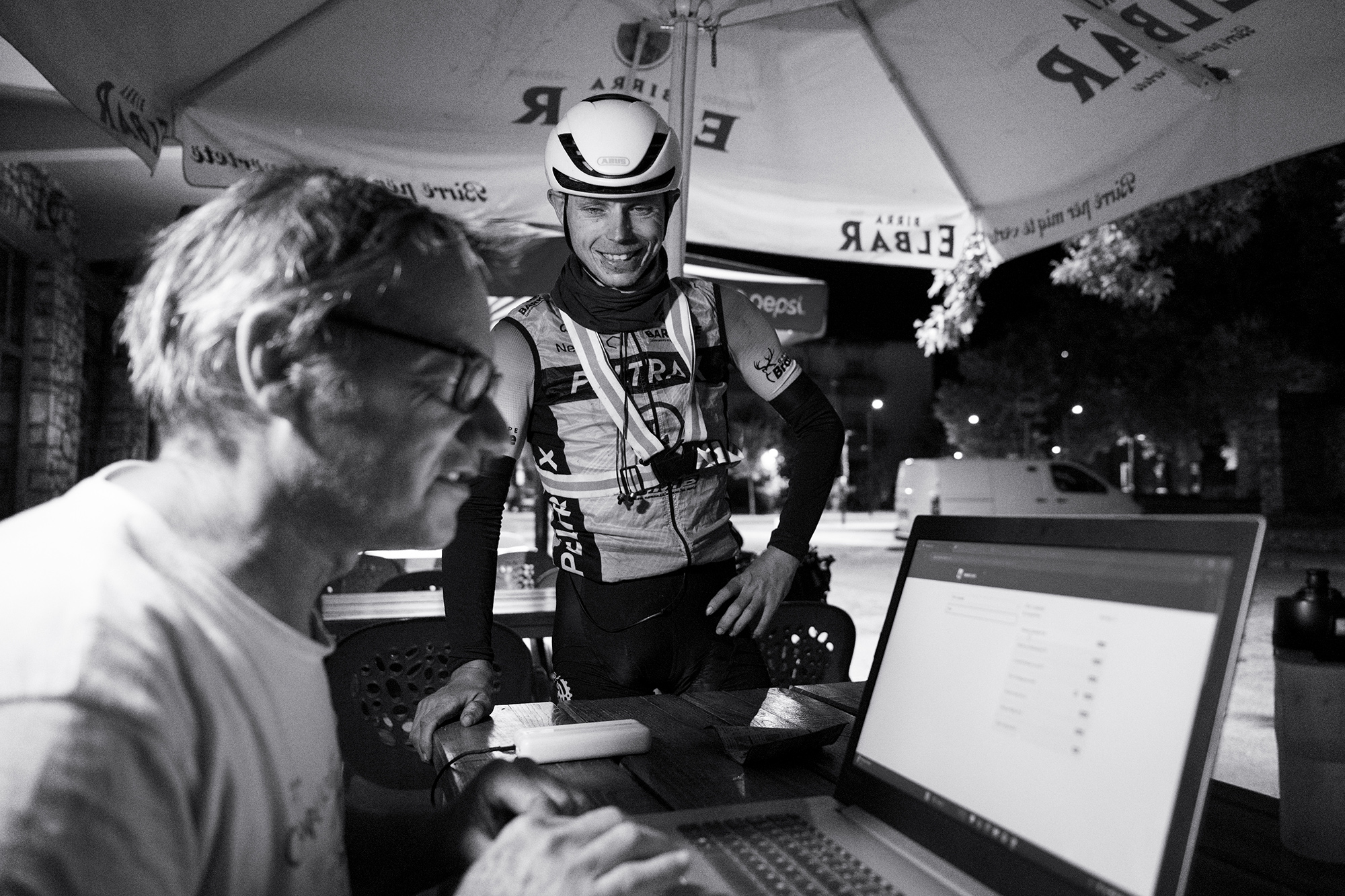
Though Nicolas had clocked into CP4 exactly 11 hours before his closest chaser, his protracted border crossing had made his position considerably less secure. The chase behind him, too, was hotting up. Having leapt forward a position yesterday, as a result of Jonas Verest’s (368) mechanical misadventures, Jos “Steady Eddy” Koop (063) arrived third to Leskoik’s control at 10:22CEST to assume his first official position on the road’s rolling podium. This spot, however, was anything but concrete. Just 24 minutes later, Jocelyn Roth (114) arrived. The efforts of his tireless comeback from the Polish puncture in Lubin, more than 2000 km earlier, were finally beginning to bear fruit.
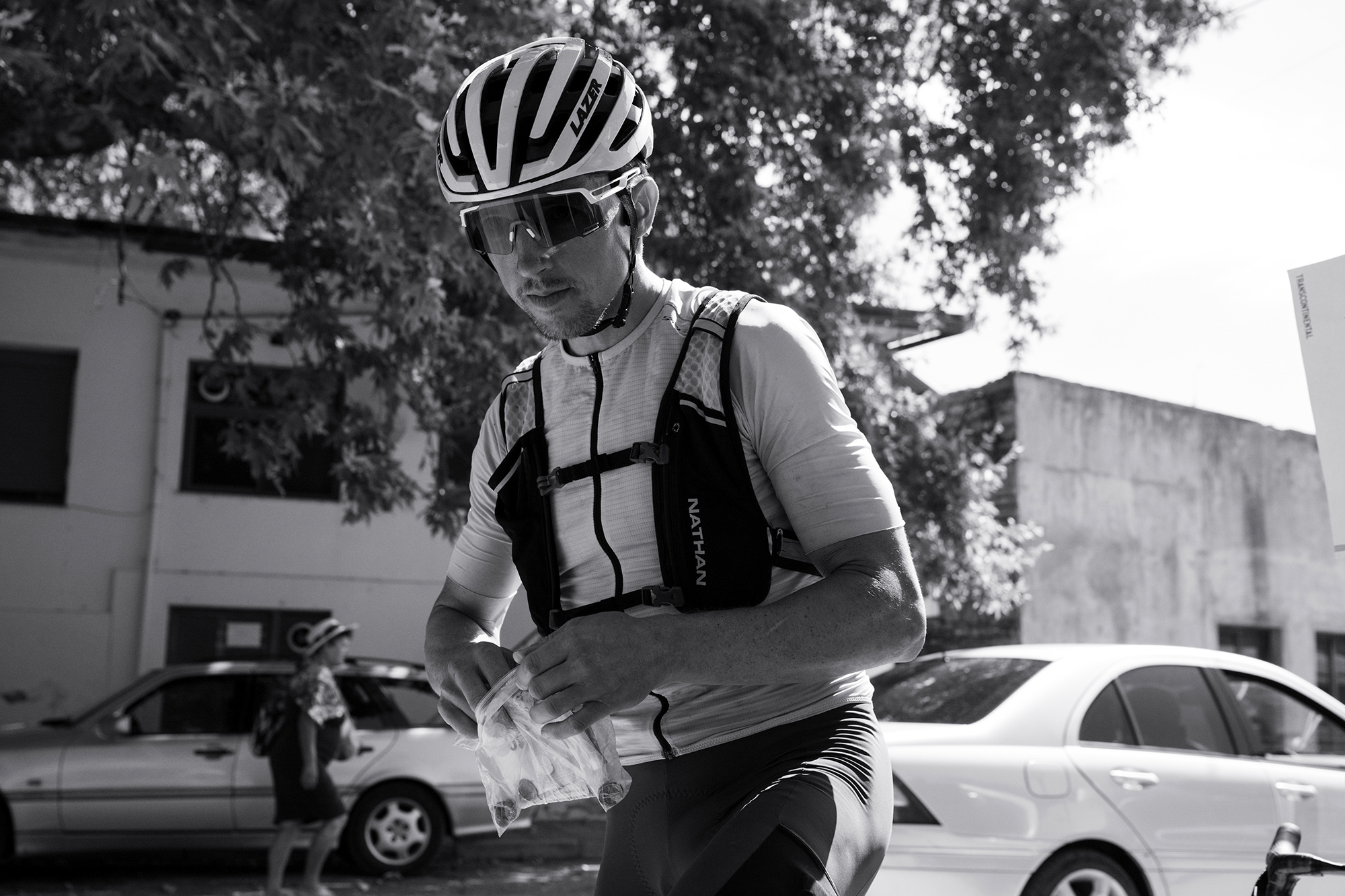
Having suffered a similar setback at the hands of Parcours 2B, chasing pair Dina Byland (424a) and Christian Dupraz (424b) are also running out of road to close the gap on the leaders Rémi Mejean (414a) and Marguerite Muhaus (414b). Now more than 300 km behind the fastest pair on the road, after the rigmarole of replacing Christian’s cracked fork, it seems unlikely that they will make up the ground by Greece. But Christian and Dina, I expect, aren’t in a hurry to reconcile their position. The joy of the process, for the pair, far outweighs any prize. Simply resuming progress is the greatest gift of all.
Stronger, Deeper, and Far Less Forgiving
The depth of the field this year has been one of the race’s endless talking points. It has, of course, raised the pace, but it has also raised the premium on consistency. For the leaders, a single lapse – whether self-inflicted or through sheer bad luck – risks an immediate change of the guard.
“They're all going so fast,” noted racing veteran Omar di Felice (197) at Slovakia’s CP2, before his scratch in Croatia yesterday. “I'm so curious about the final result, because I don’t remember such a strong field in the Transcontinental, with so many riders still so strong at this point of the race. This year, anything can happen.”
Another TCR veteran, Josh Ibbett (101), when we spoke a few weeks before Trondheim’s grand départ, explained, simply, that the race has become far less forgiving. “In my first year, I didn't know what I was doing, really. I made so many mistakes and I still came second. I think that's the difference now: you can't make mistakes because the field's so deep, there's so many experienced people. The riders that are doing it are world-class.”
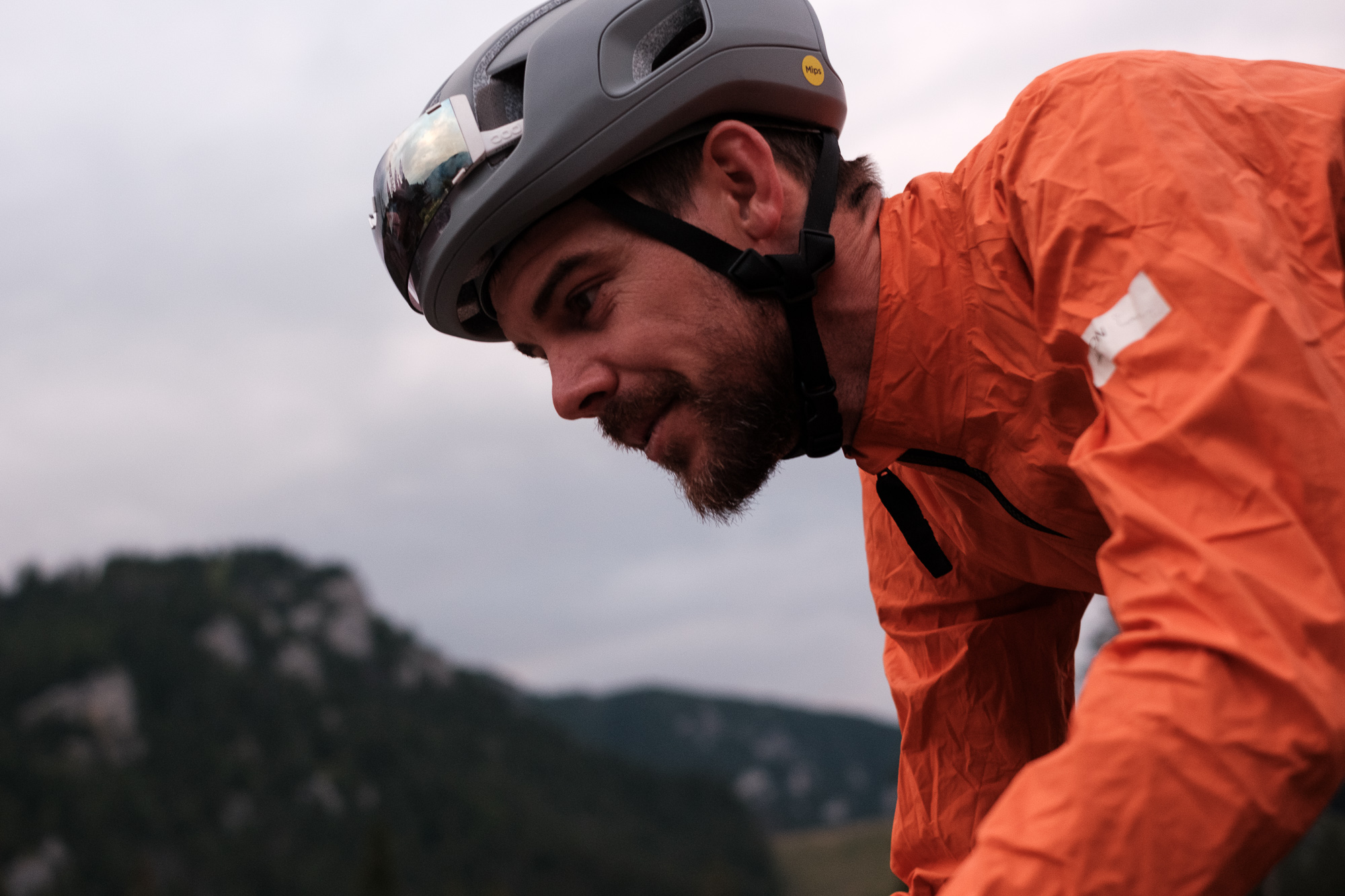
The transformation of recent years is easy to sense, and just as easy to articulate; but to watch it unfold before us is something else entirely. Witnessing previous winners and podium placers only just managing to hold ground in the top 10, top 50, and even top 100 riders puts the relative strength of the vanguard into sharper perspective.
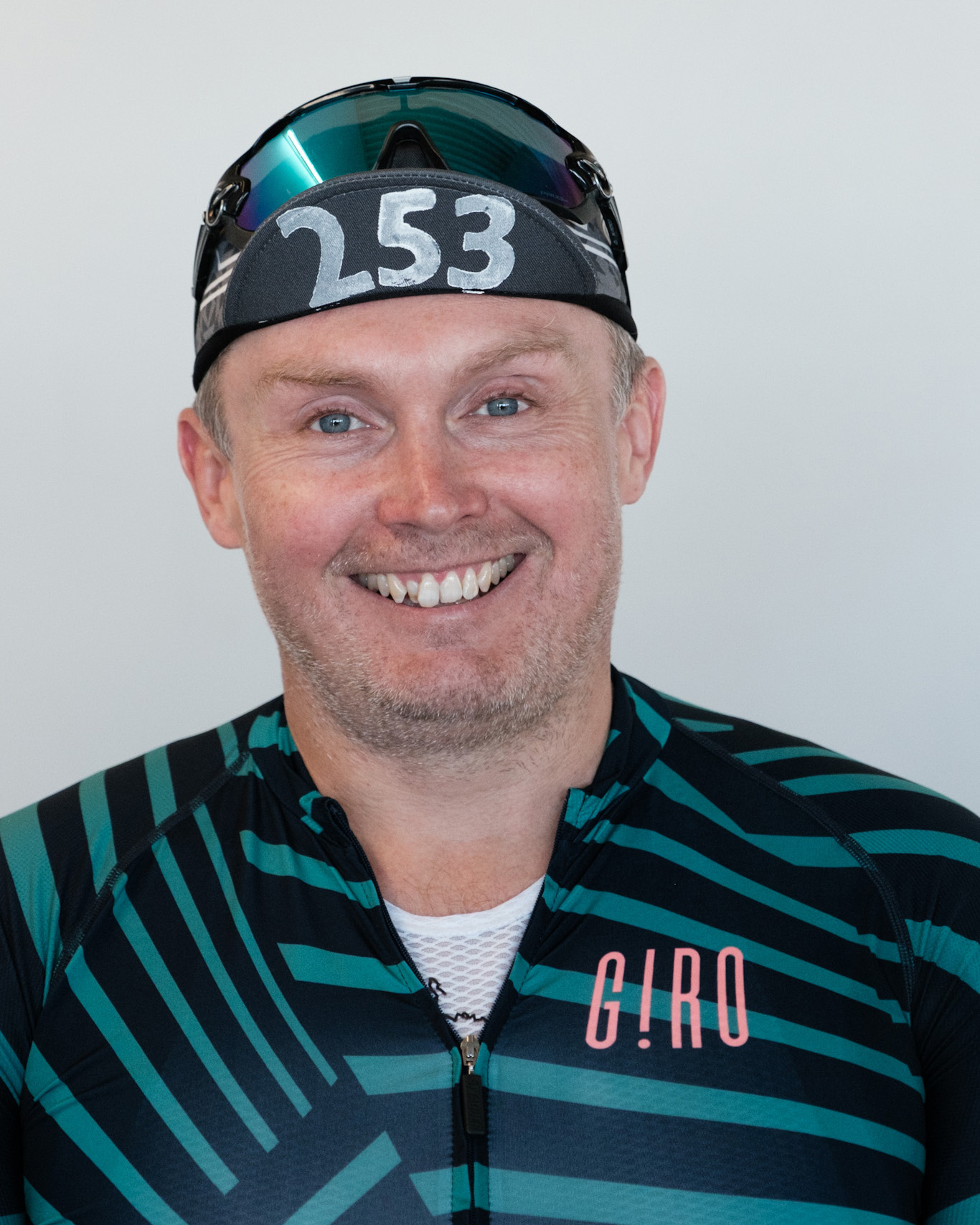
Matthew “Birdman” Falconer (253) is currently 81st on the road in his 7th edition, having taken 2nd place at TCRNo6 in a legendary 600 km drag race to Meteora. Speaking at registration, like Josh, Matt reflected on how the field had changed since his first race in 2017. “There’s just such strength and depth at the pointy end,” he explained. “It’s much bigger, and it’s much sharper.” The goal for Matt, though, hasn’t changed. For him, the TCR has always been about having fun. “If you're not enjoying it, then, you know, what good are we doing here?” It’s testament to him walking his own philosophical walk that now, nearly a decade on, I’d wager he’s best known not for the panache of his TCRNo6 finish, but instead, for managing to consume – and, crucially, document the consumption of – 55 ice-creams during the 14 days of his race two years later.
Special Measures
Amidst all the changes of the modern TCR, there’s comfort in a little consistency. This year, the Birdman is back at it. Currently with 28 ice-creams banked, and not yet into Bosnia, there’s every chance this could be a record year.
Today, another of the race’s immutable traits has been plaguing those winding their way further south: the scorching Balkan heat. While films of sweat have adorned the brows of our team in the air-conditioned cocoon of Control Car 1, riders have found themselves liquified, prompting the introduction of some special measures. Ice creams, now no longer reserved for remedial purposes, are being stuffed liberally down jerseys, into bibshorts, and under helmets – or, in the case of the baby Birdman – directly into an expectant beak as vigorously as possible.
Current fastest FLINTA rider on the road, Sarah Bosslet (120), treated us to a “short update from the sauna,” this morning. A quick continuation of her Lonely Planet guide to the Balkan peninsular ensued – “Kosovo? It’s just a country with a lot of cars.” But soon – and much to her delight – she was in Albania, heading towards the sweeping bends of the fourth parcours.
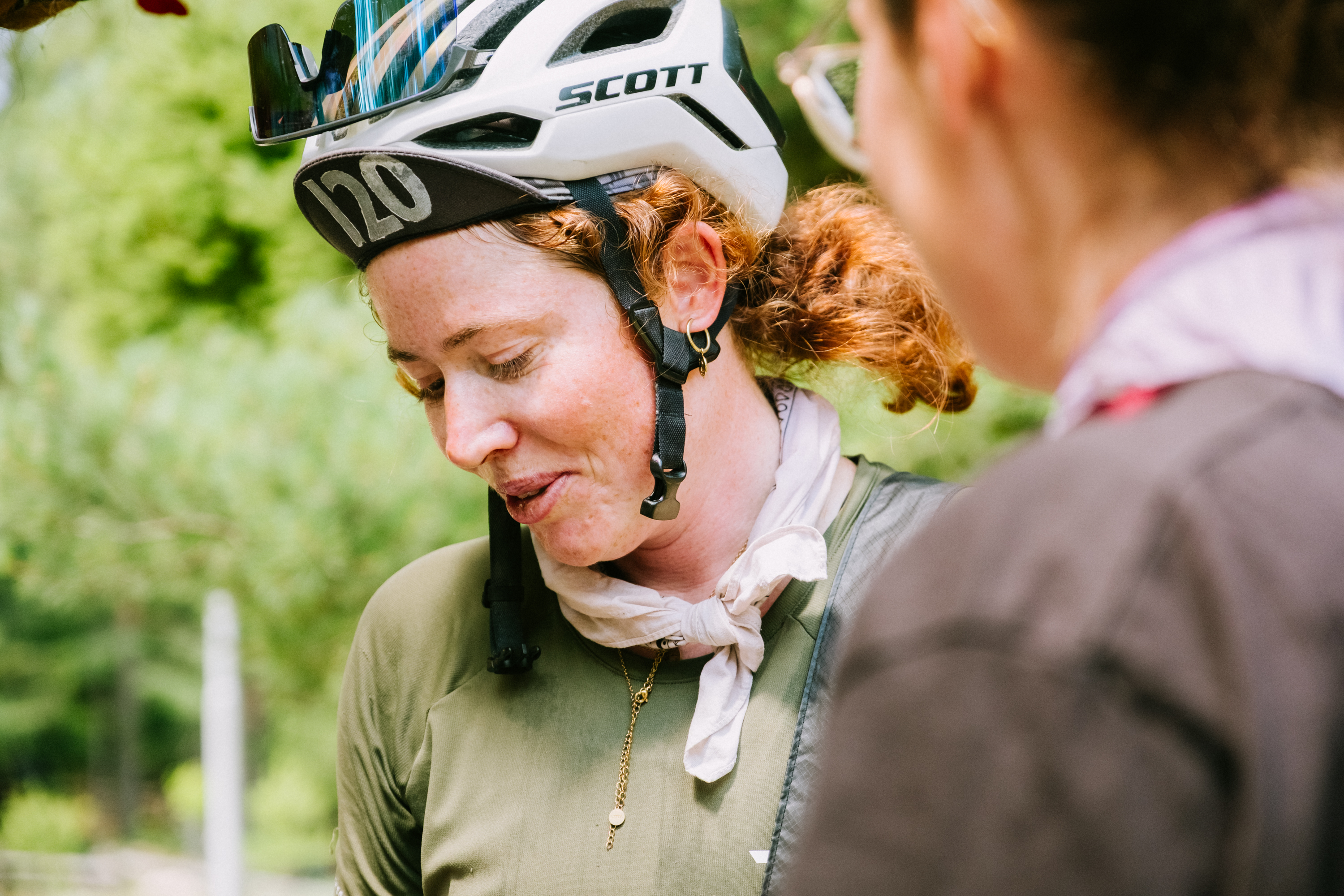
With Sarah still grasping a marginal lead over her closest chasers, Camille Albisser (270) and Lea Hamberger (404), by evening, the current FLINTA podium was separated by less than 20 km. It won’t take much to shake up positions at such close quarters.
A Force of Nature
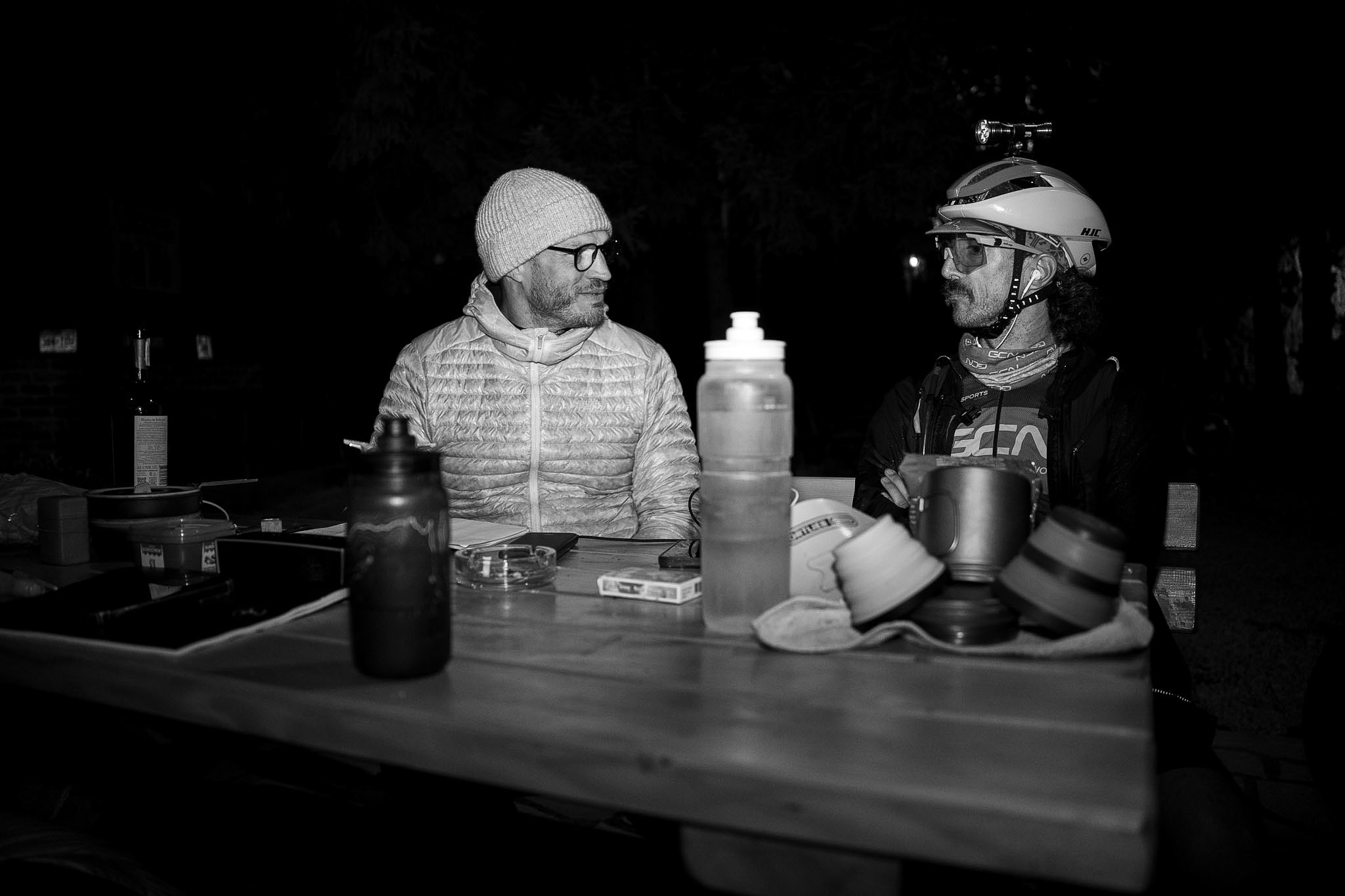
As it happens, back at the end of the third parcours this morning, there was just that: a shake up. This wasn’t just of riders, however, but of the whole of Sarajevo. A small earthquake, its epicentre just 2km from CP3, hit the city in the small hours, waking both riders and volunteers as they caught some well-earned rest. Maxime Prieur (164), cresting the final bends of the parcours to see Trebevićki Raj quaking in his presence, must have felt quite important. After racing more than 3,500 km since leaving Trondheim, the French GCN presenter had the cheek to suggest that the CP volunteers, rudely awakened from their slumber by the tremor, looked a little tired.
In the early hours of Thursday morning, another force of nature struck the Balkans – this time, a little further south. Robin Gemperle (001) had made light work of the 300 km from CP4 to the Gulf of Corinth and the Rio-Antirrio ferry, the third and final crossing of his race. Aided only by a 2-hour nap that morning, disembarking on the peninsular, Robin picked a path through the wrinkles of the Kompovouni mountains towards Ancient Olympia. Riding beneath the full weight of the Peloponnesian sun, he set to work on the final 170 km of the Finish Parcours. It was a formidable finale. With 3,500 m of climbing in the first 130 km, the parcours swept him upwards one last time, towards the heavens, before the road unspooled below towards the Ionian Sea.

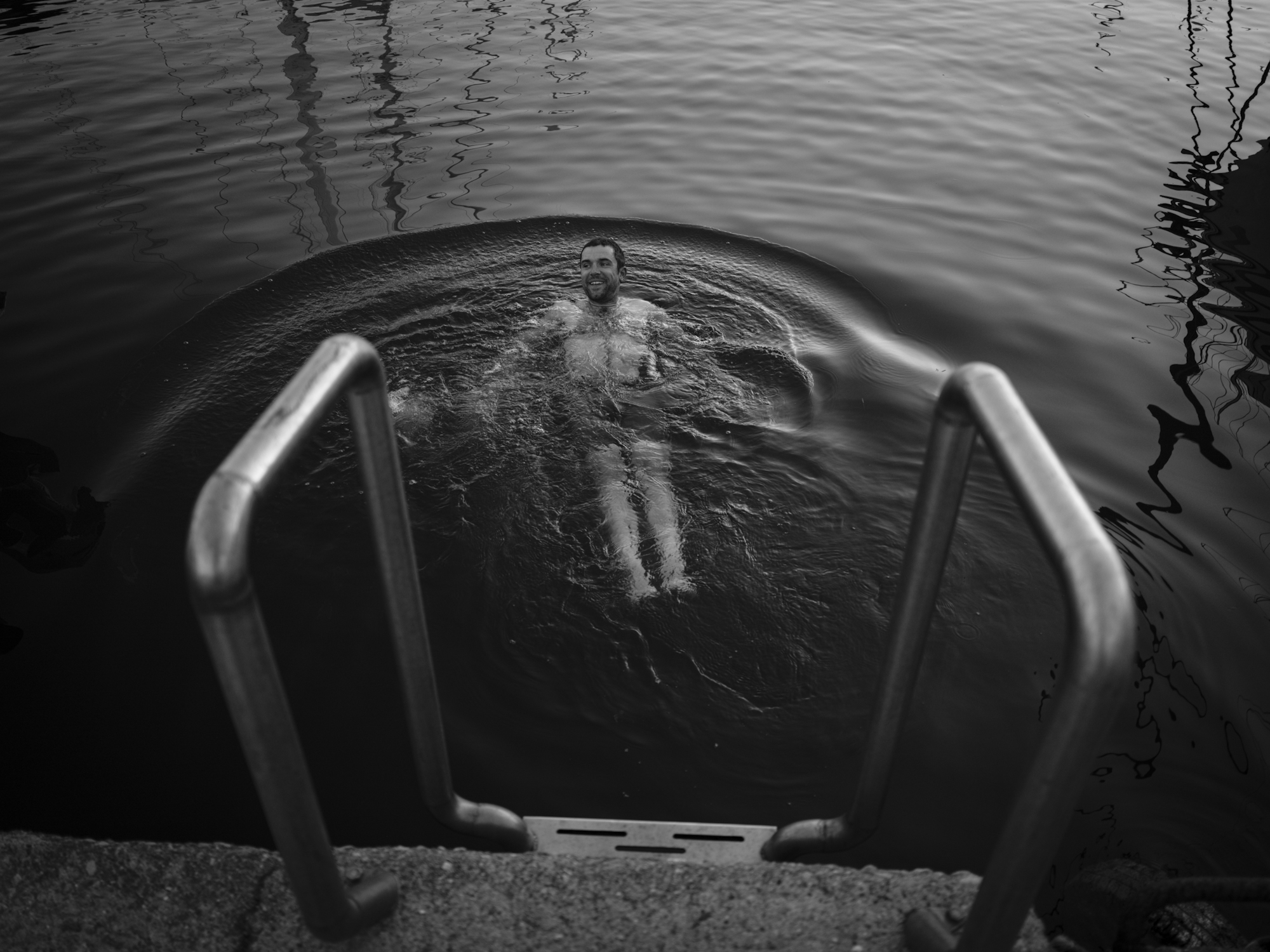
As the first glow of dawn seeped from behind the Taygetos mountains behind him, Robin arrived in Kalamata, just 10 days, 8 hours and 55 minutes after leaving Trondheim, to reclaim his title of the fastest rider to cross the continent. Soaking up the tale told in his brevet card before soaking in the cool waters of the Messinian Gulf, Robin said simply, “Done.”