#TPRNo6
Born out of the early spirit of randoneuring, the Trans Pyrenees has evolved its own ethos: no mandatory off-road, but it will sorely tempt you to try some anyway. Having turned this bargain on its head last year, TPRNo6 sees a return to the original format, and many riders will breathe a sigh of relief.
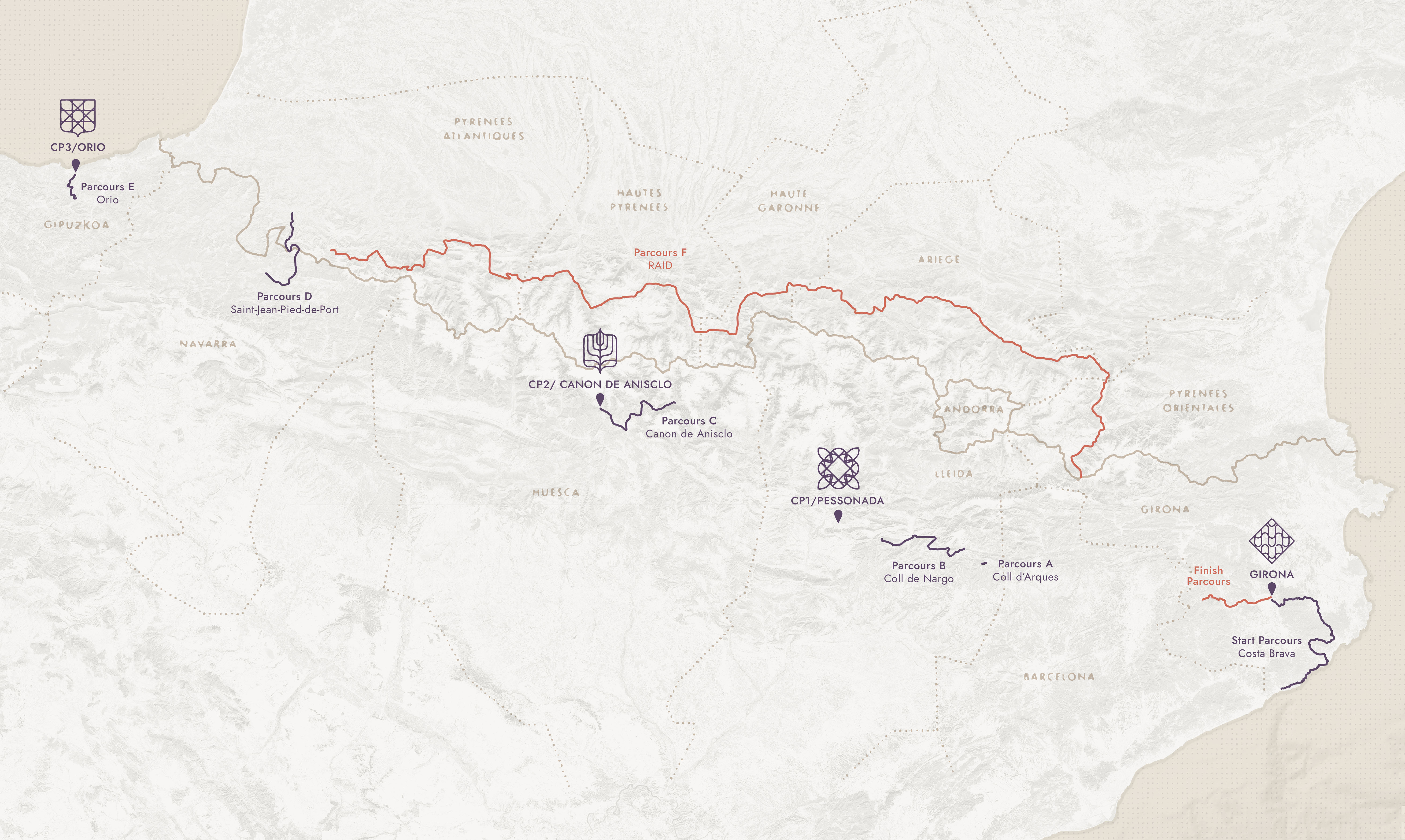
Starting under the watchful eye of Girona’s Basilica de Sant Feliu, the start parcours heads straight for the beautiful sweeping curves of Els Angels - Girona’s most famous climb. From the summit riders descend to the plains of the Baix Empordà and out towards the stunning coastline of the Costa Brava, where tree covered cliffs drop directly into the crystal blue Mediterranean sea.
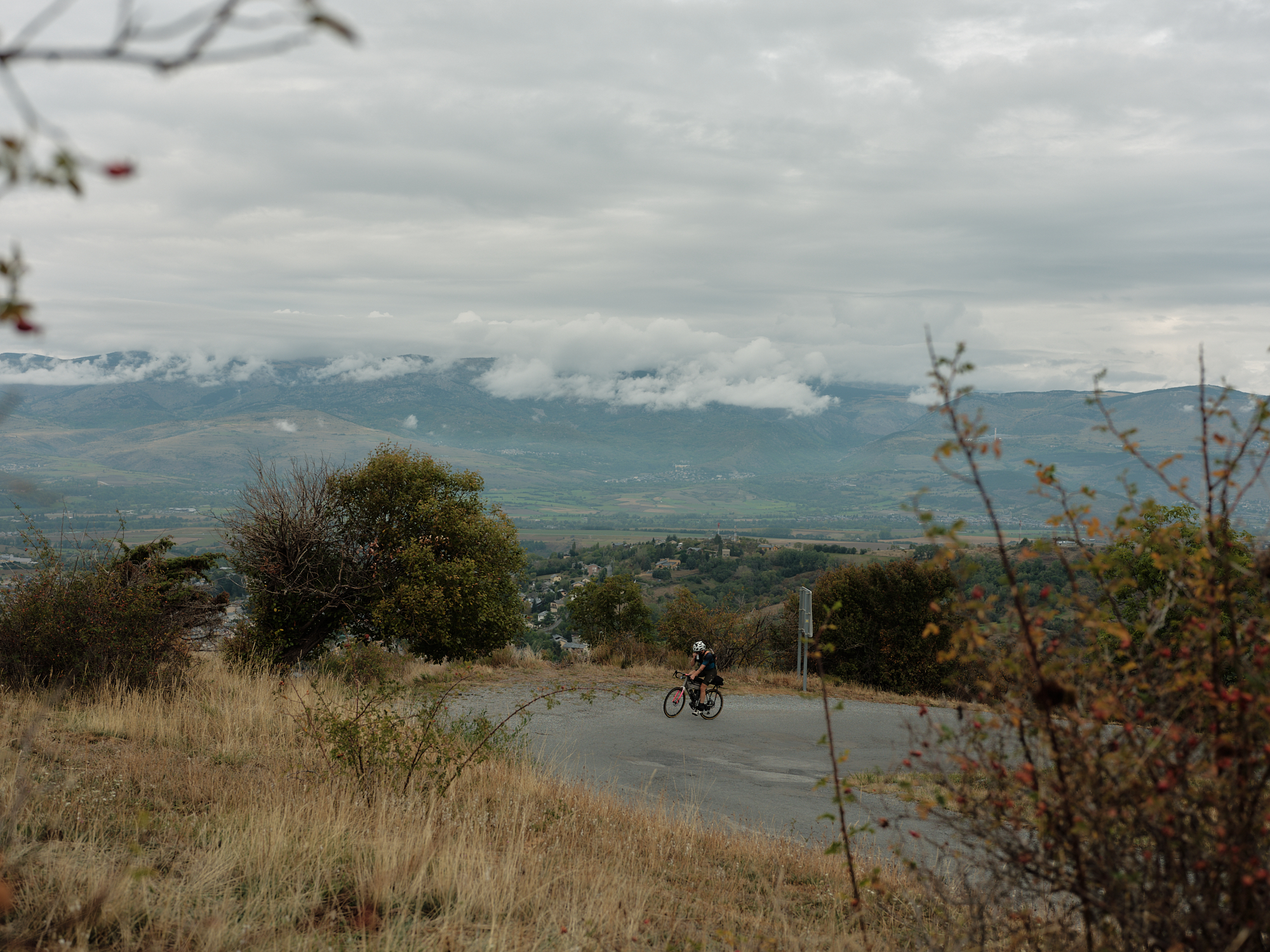
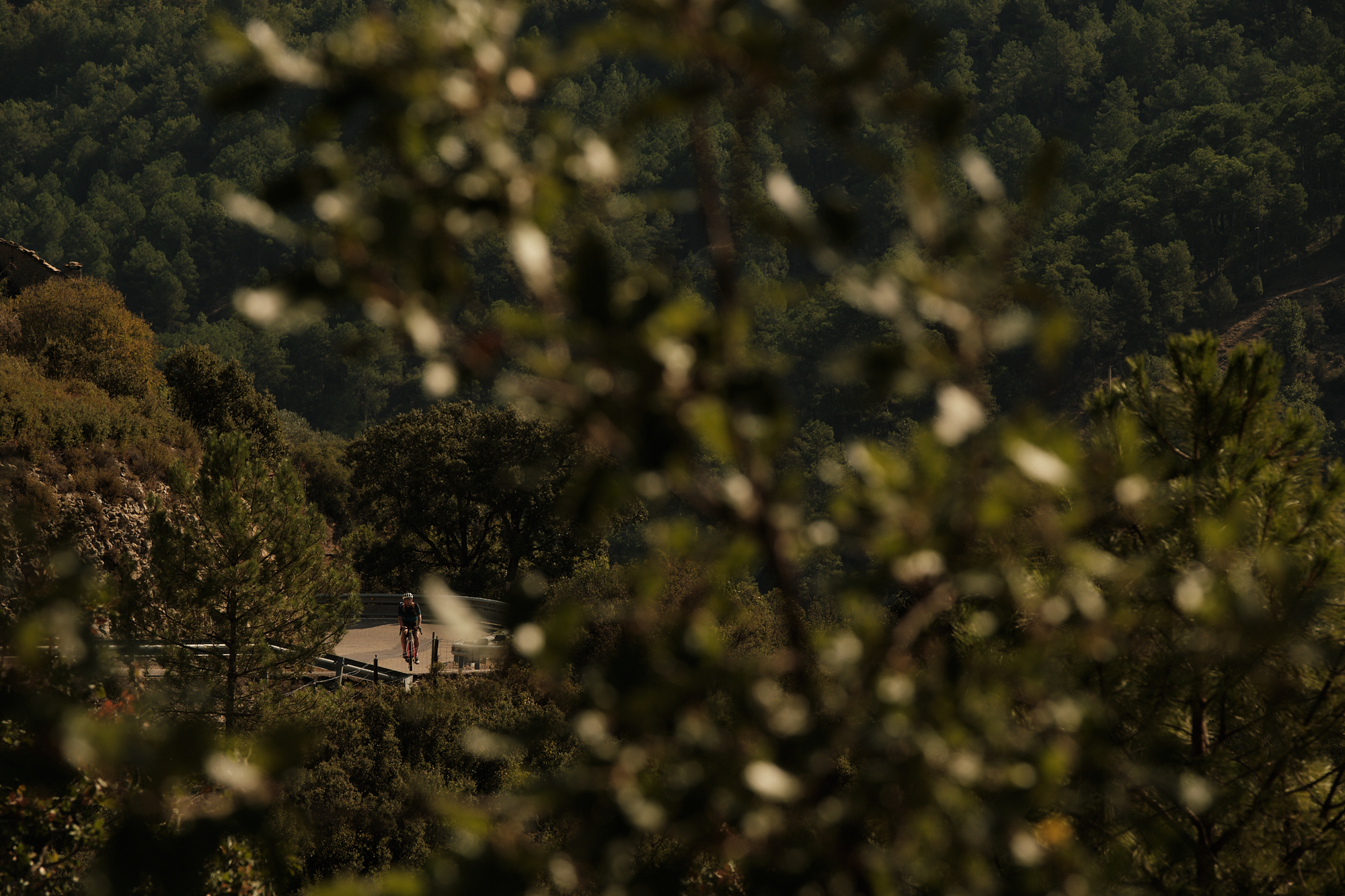
Turning inland, the parcours finishes, but the exploration of Catalonia’s lesser known regions has just begun. Parcours A’s 2km of tarmac with 17m of elevation gain sound simple in theory, but few who know the Trans Pyrenees Race will think it is likely to be in practice. From the Coll d’Arques, the natural route heads cross country towards Parcours B. But pick your poison carefully, some routes through the forested slopes may be better than others…
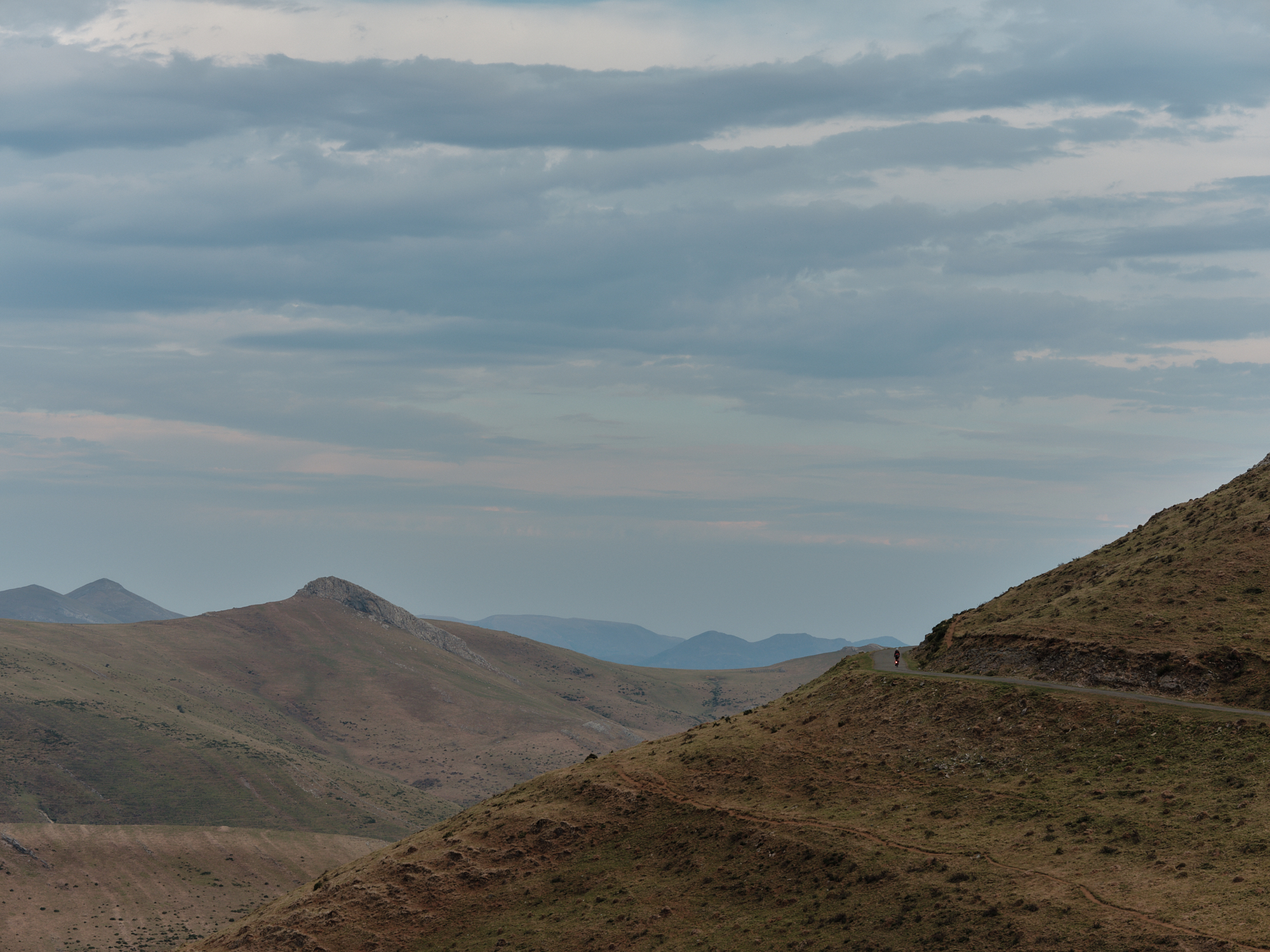
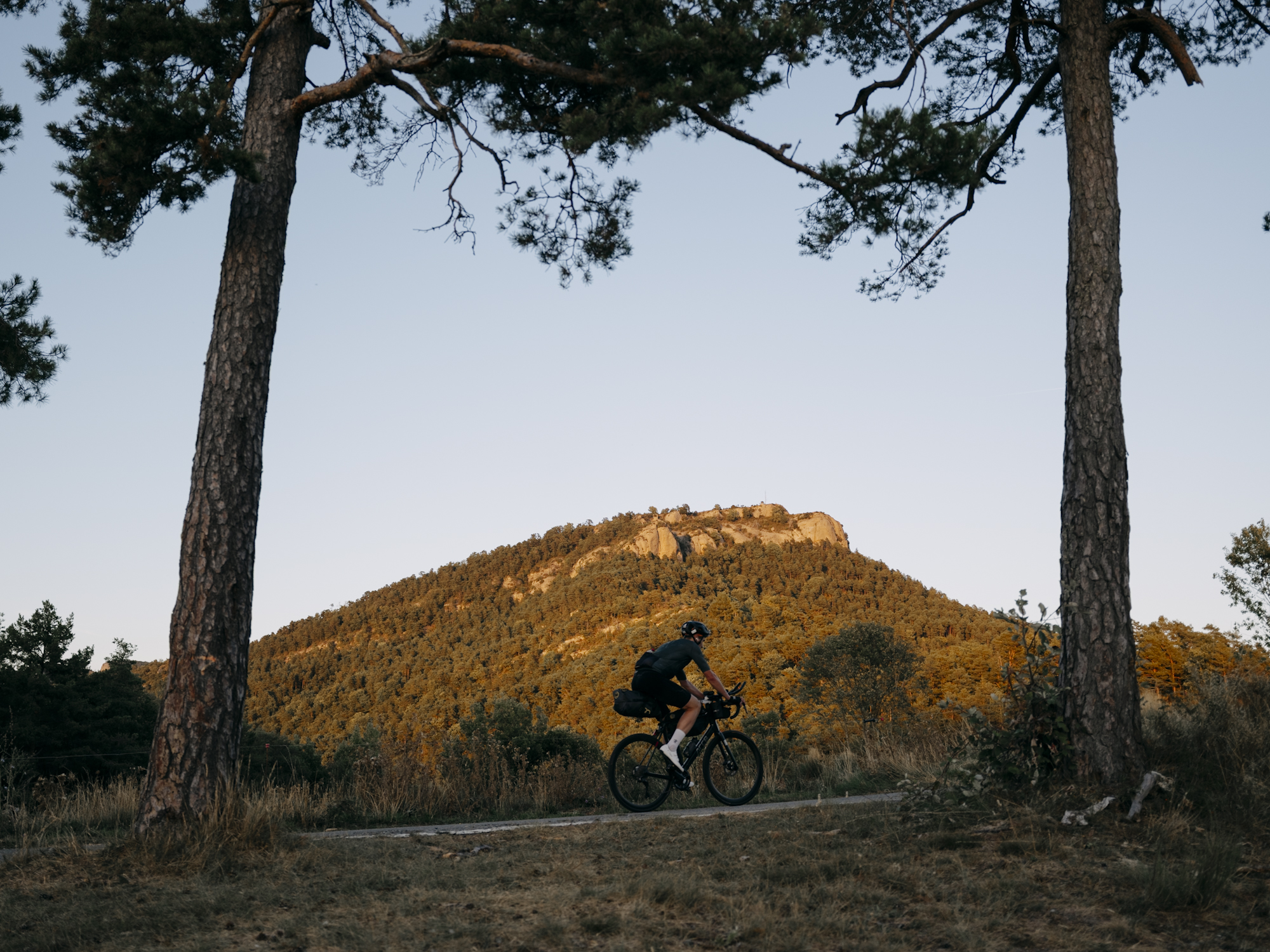
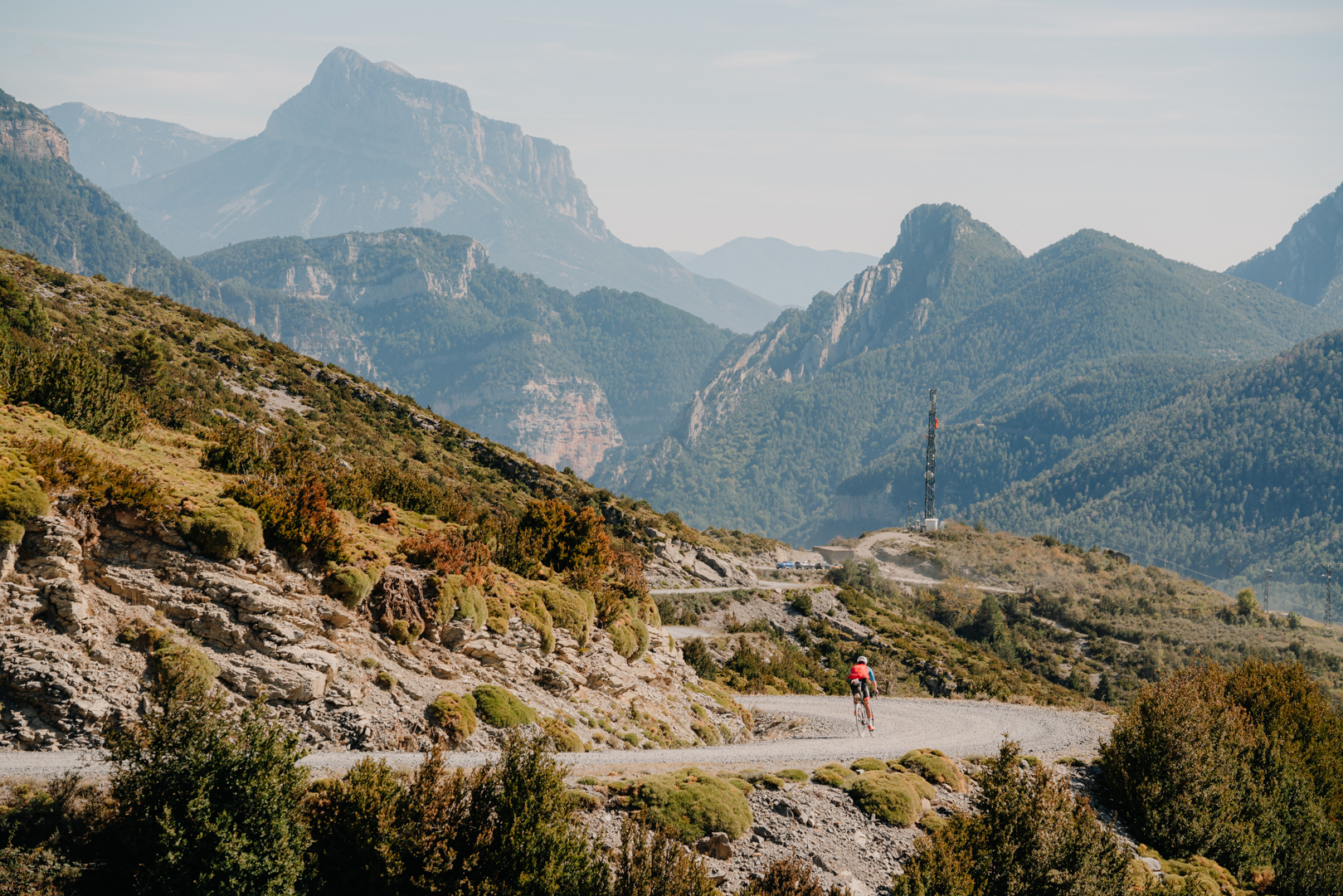
Starting at Coll de Jou, Parcours B brings the race to a new, unexplored area. Immediately, the sheer rock faces, good gradients, and balcony roads with endless views will have you wondering why these roads aren’t better known. Finishing with the beautiful Coll de Boixols, riders are once again faced with a choice: around, or through?
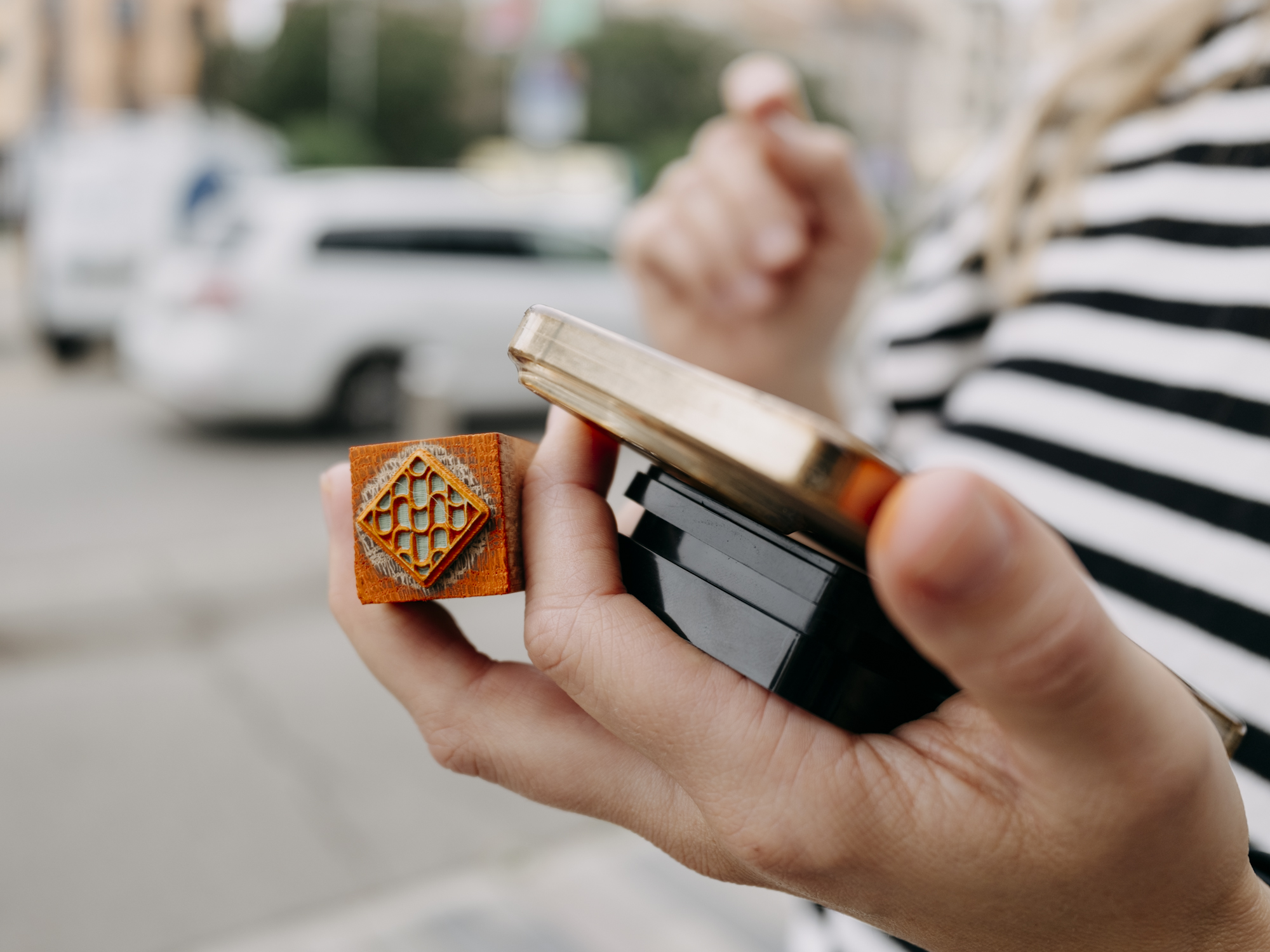
At Pessonada, on the edge of the Boumort Reserve, sits the race’s first CP. Unmanned, old school, and in tribute to one of the oldest modern ultra races, the Barkley Marathons, riders will validate here in the most analogue way possible, by tearing a physical page from a book. For those interested in prose, it could be said that CP1 marks the end of the foreword as the race heads towards the mountains for some real character building.
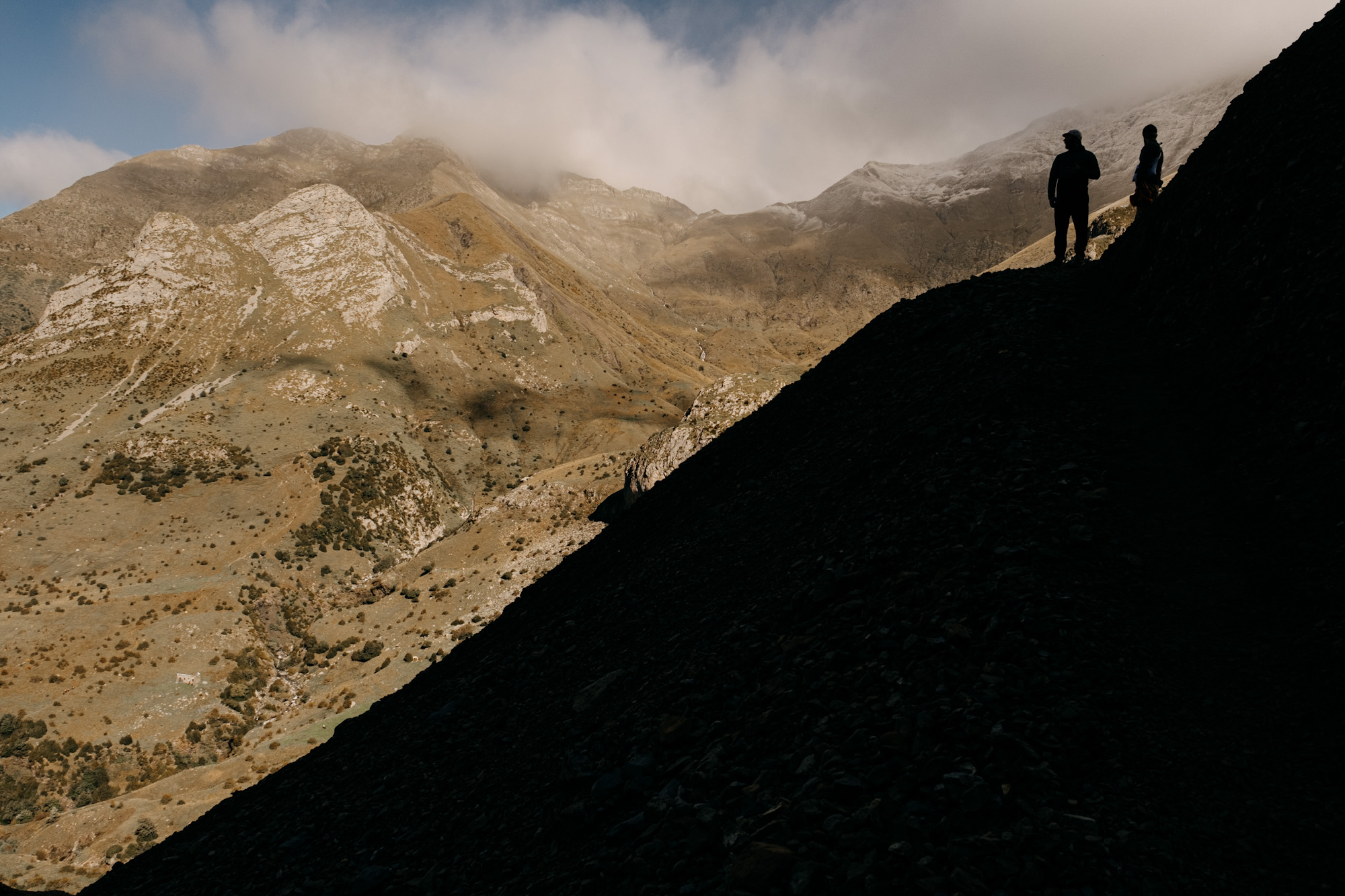
After its dash to the mountains, at Parcours C the race skims the edge of the Pyrenees proper as it snakes its way from Plan towards the Canon de Anisclo and the race’s second control. Here, the high peaks of the Ordesa, and its sheer cliffs stand sentry to the high mountains, and anyone lucky enough to ride this way at sundown will see them painted red in warning.
Finding their way across the Pyrenees, and into France for the first time, Parcours D starts in St St-Jean-Pied-de-Port and takes riders on the famous Imperial Peaks Road over the Pyrenees. Famous for its use by Napoleon travelling the other way as he retreated from Wellington’s troops during the Spanish War of Independence, it has long been used by armies and travellers alike as it stays clear and passable even in the winter months.
Landing once more in Spain, the race makes its way through the Basque country to the small fishing town of Orio, nestled in the mouth of the estuary where the Oria river meets the Atlantic ocean — signalling that the race’s first crossing of the Pyrenees is complete. Climbing back up into Basque country, Parcours E takes riders through rolling farmland, forests, and then back out into open pastures with the Bay of Biscay stretching out below them to the horizon.
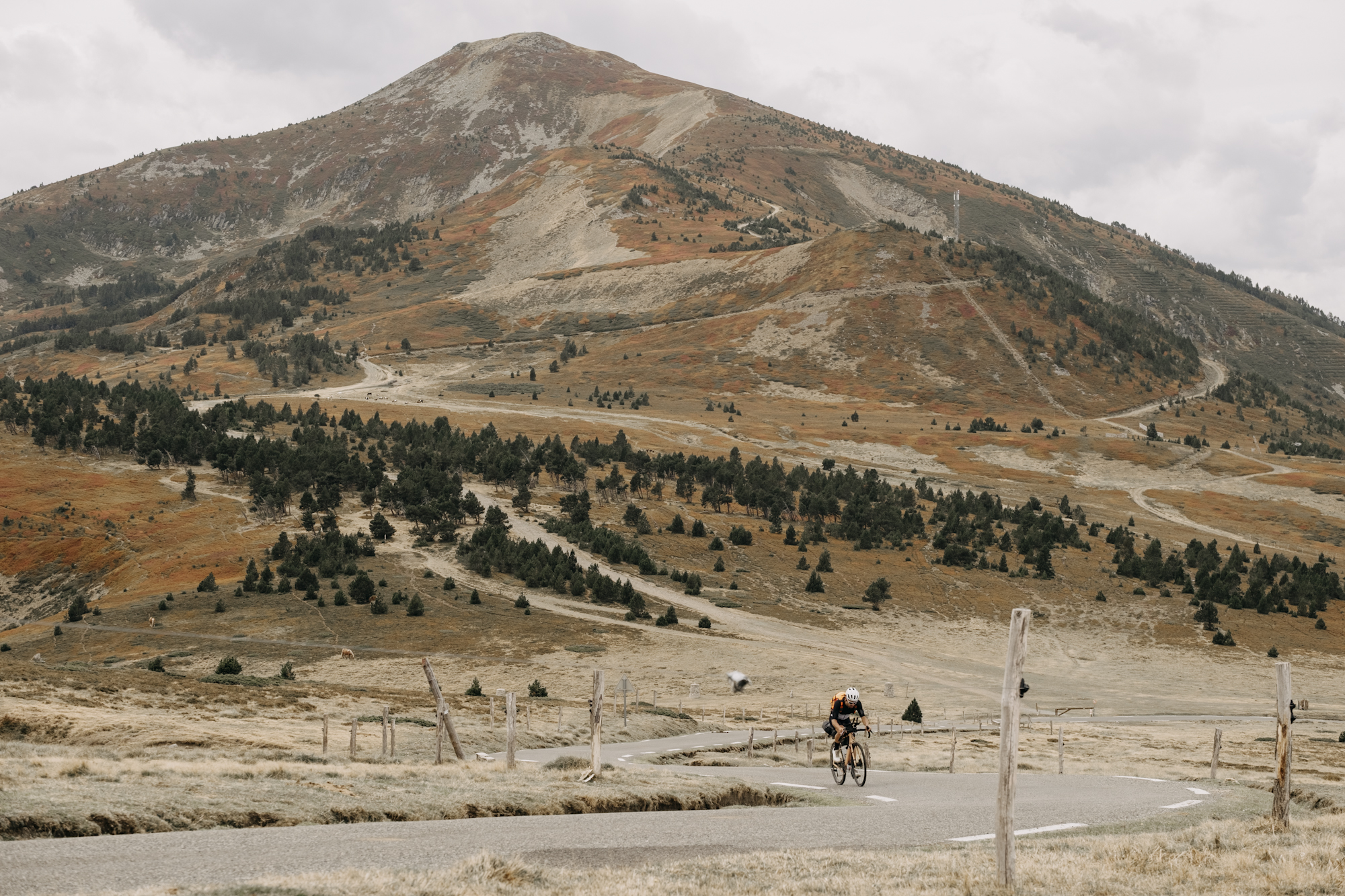
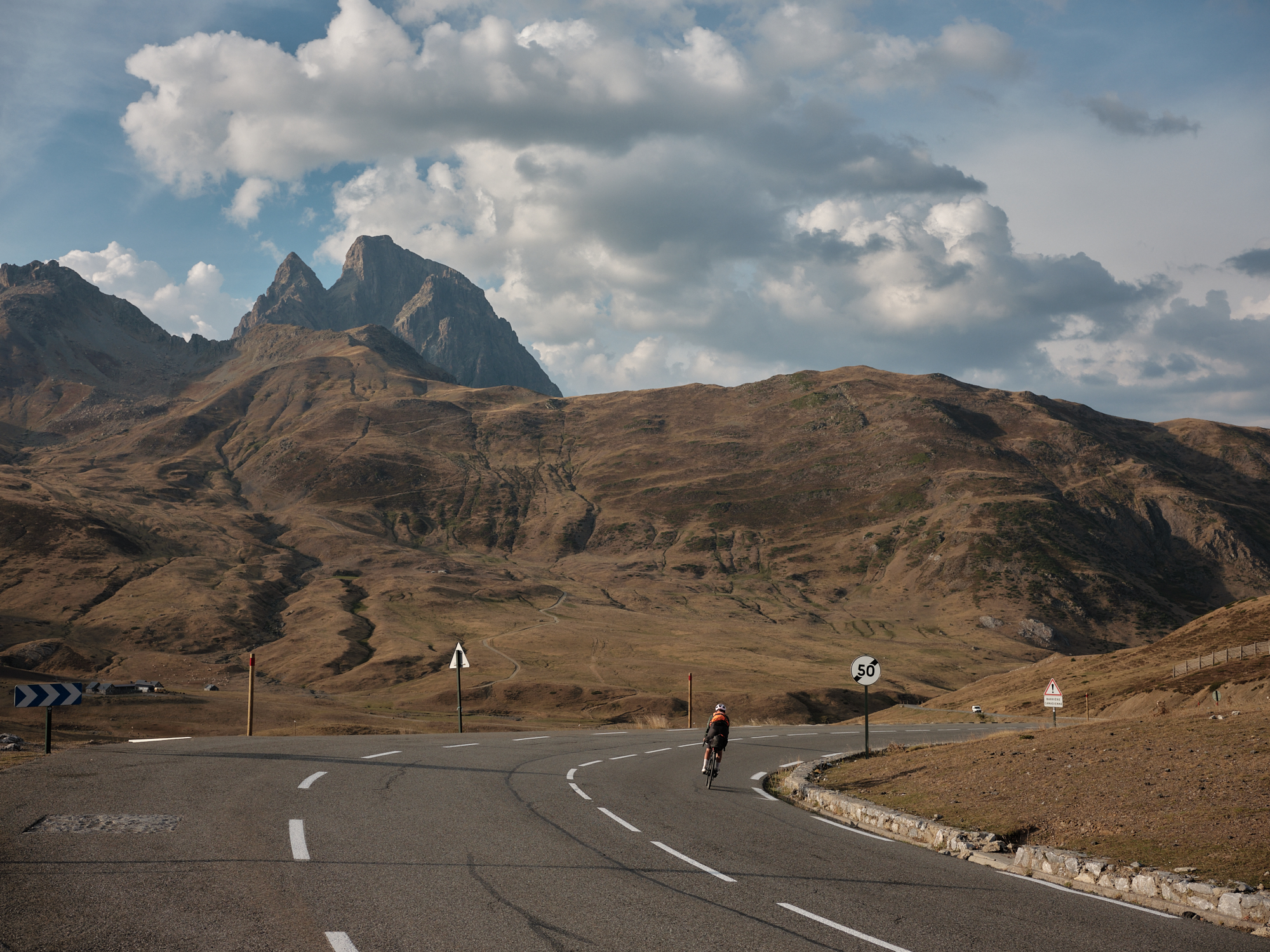
Next comes the race’s second act, the fearsome RAID Pyreneen, taking in col-after-historic-col. Starting with the lesser-known cols of Bagargi and Marie-Blanque, before firing up the greatest hits: Aubisque, Soulor, Tourmalet, Aspin, and Peyresourde, to name but a few. This year, however, the mighty Tourmalet is not the Cima Coppi. In a twist to the RAID, the TPRNo6 Parcours F finishes at 2200m on top of the Cim de Coma Morera.
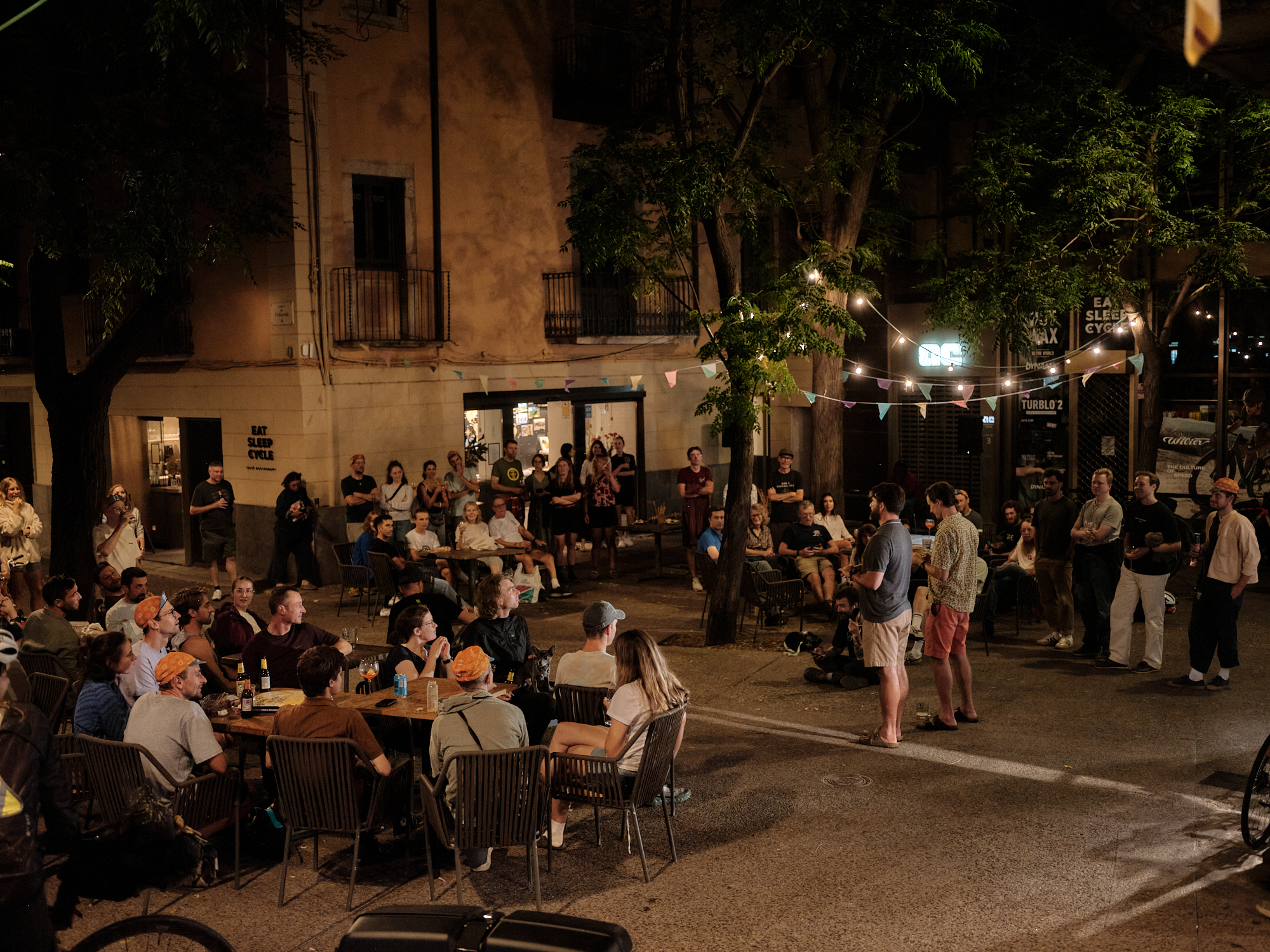
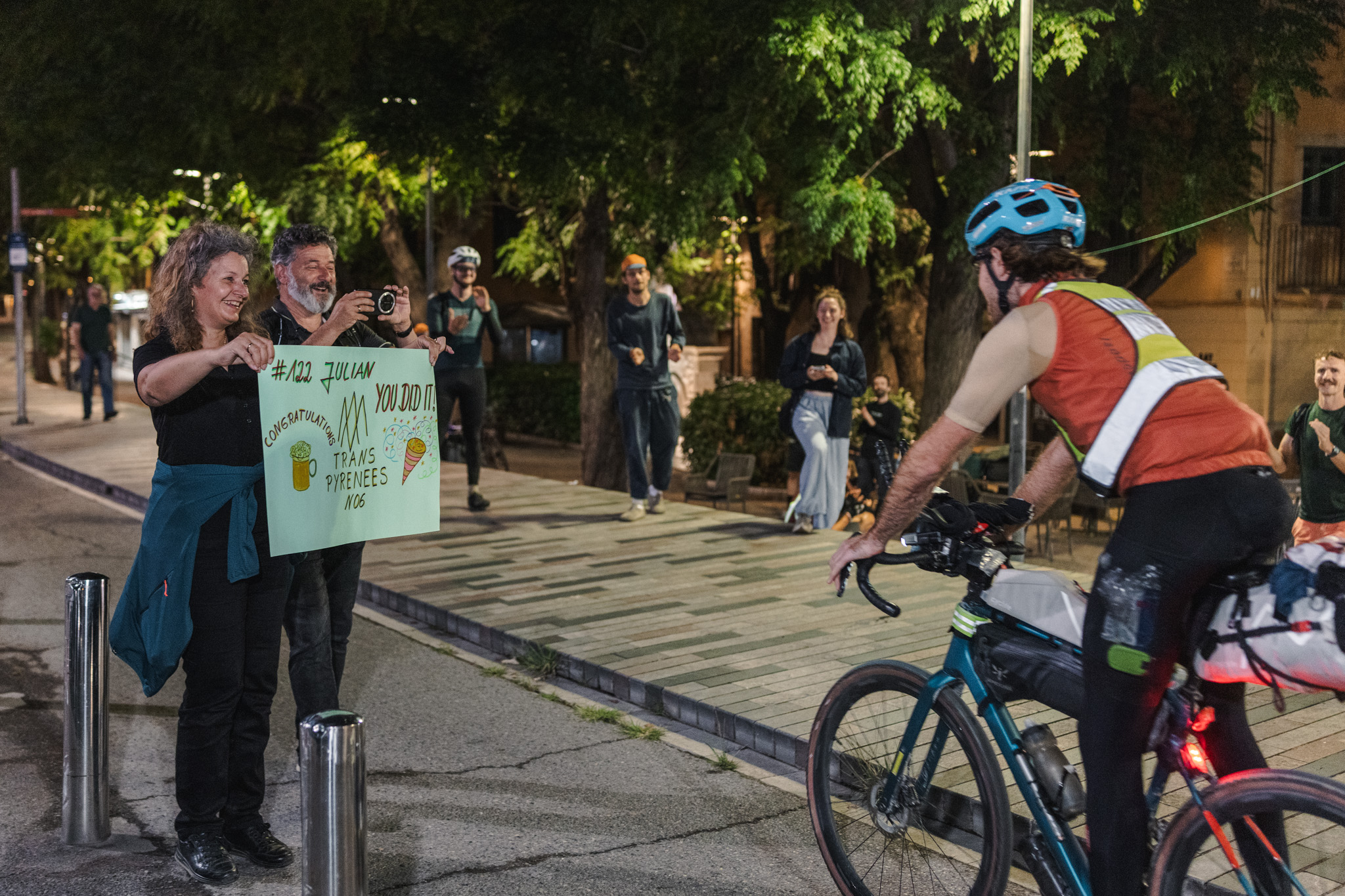
Starting at the foot of the Panta de Susqueda, the finish parcours follows the Ter river back to Girona, using secondary roads and Via Verde to take riders safely to the finish line, where they can finally rest after almost 1800km of relentless climbing. Time to sit, rest, and order another cortado.
Provisional race details
Registration: 24th September 2026 10:00-16:00 CEST
Race start: 25th September 2026 06:00 CEST
Finish party: 3rd October 19:00-23:59 CEST
Finish cut-off: 3rd October 23:59 CEST
Applications: open 23rd January - 15th February
Open to: solo entrants or pairs
Cost: £415 per rider + refundable £130 tracker deposit
Stay tuned
Receive regular updates about our races, offers and more
About the Race
The Trans Pyrenees Race is a self supported ultra distance cycling event organised by Lost Dot, the team behind the Transcontinental Race. Mike Hall was designing this event back in 2016; his vision was to reward the most adventurous, providing opportunities to beat the clock by facing the most demanding terrain.
A mixture of Control Points and Parcours (mandatory sections of route) will guide riders though up to 2000 km of the most spectacular and remote scenery in the Pyrenees from coast to coast, and then back again.
The climbing will be considerable, this is definitely one for the grimpeurs!


Mike Hall
The man who started it all. Mike Hall devised the Transcontinental Race and ran all editions until his tragic death in 2017. Find out all about the inspiring maverick whose spirit remains the beating heart of everything Lost Dot do.
Lost Dot
We preserve and nurture Mike Hall's legacy of fair and self-sufficient racing, championing integrity, equality and inclusivity, creating opportunities for unique and beautiful journeys of self discovery to share with as many people as possible.
Explore more

The Route
Starting under the watchful eye of Girona’s Basilica de Sant Feliu, the start parcours heads straight for the beautiful sweeping curves of Els Angels - Girona’s most famous climb. From the summit riders descend to the plains of the Baix Empordà and out towards the stunning coastline of the Costa Brava, where tree covered cliffs drop directly into the crystal blue Mediterranean sea. Turning inland, the parcours finishes, but the exploration of Catalonia’s lesser known regions has just begun.
Parcours A’s 2km of tarmac with 17m of elevation gain sound simple in theory, but few who know the Trans Pyrenees Race will think it is likely to be in practice. From the Coll d’Arques, the natural route heads cross country towards Parcours B. But pick your poison carefully, some routes through the forested slopes may be better than others… Starting at Coll de Jou, Parcours B brings the race to a new, unexplored area. Immediately, the sheer rock faces, good gradients, and balcony roads with endless views will have you wondering why these roads aren’t better known. Finishing with the beautiful Coll de Boixols, riders are once again faced with a choice: around, or through?
At Pessonada, on the edge of the Boumort Reserve, sits the race’s first CP. Unmanned, old school, and in tribute to one of the oldest modern ultra races, the Barkley Marathons, riders will validate here in the most analogue way possible, by tearing a physical page from a book. For those interested in prose, it could be said that CP1 marks the end of the foreword as the race heads towards the mountains for some real character building.
After its dash to the mountains, at Parcours C the race skims the edge of the Pyrenees proper as it snakes its way from Plan towards the Canon de Anisclo and the race’s second control. Here, the high peaks of the Ordesa, and its sheer cliffs stand sentry to the high mountains, and anyone lucky enough to ride this way at sundown will see them painted red in warning.
Finding their way across the Pyrenees, and into France for the first time, Parcours D starts in St St-Jean-Pied-de-Port and takes riders on the famous Imperial Peaks Road over the Pyrenees. Famous for its use by Napoleon travelling the other way as he retreated from Wellington’s troops during the Spanish War of Independence, it has long been used by armies and travellers alike as it stays clear and passable even in the winter months.
Landing once more in Spain, the race makes its way through the Basque country to the small fishing town of Orio, nestled in the mouth of the estuary where the Oria river meets the Atlantic ocean — signalling that the race’s first crossing of the Pyrenees is complete. Climbing back up into Basque country, Parcours E takes riders through rolling farmland, forests, and then back out into open pastures with the Bay of Biscay stretching out below them to the horizon.
Next comes the race’s second act, the fearsome RAID Pyreneen, taking in col-after-historic-col. Starting with the lesser-known cols of Bagargi and Marie-Blanque, before firing up the greatest hits: Aubisque, Soulor, Tourmalet, Aspin, and Peyresourde, to name but a few. This year, however, the mighty Tourmalet is not the Cima Coppi. In a twist to the RAID, the TPRNo6 Parcours F finishes at 2200m on top of the Cim de Coma Morera.
Starting at the foot of the Panta de Susqueda, the finish parcours follows the Ter river back to Girona, using secondary roads and Via Verde to take riders safely to the finish line, where they can finally rest after almost 1800km of relentless climbing. Time to sit, rest, and order another cortado.
Apply to ride
Other ways to take part
No race reports
Frequently asked questions
The Control Parcours is a fixed length of route which riders must complete as part of their control visit. The control point will lie somewhere on this route, often at the start or finish. The Control Parcours often includes a traverse over especially scenic or demanding terrain or through an area of significance or interest. It can include, but is not limited to a climb, several climbs, an unpaved route or ridge line traverse. The control parcours is usually still mandatory after the control has closed and a rider’s tracker or other evidence can satisfy the requirement to show it has been ridden. Sometimes parts of parcours which are subject to limited permissions or which can be hazardous may be closed with the control. If a rider does not complete the full parcours a compensation penalty may be given. This is usually a time greater than that of the slowest recorded crossing.
For photographers and videographers the control points and parcours offer the opportunity to capture images of the racers in spectacular landscapes along a known route and to document stories of the racers with candid images at the control points. It is also a chance for the race reporters to capture some of their testimony and reaction and to observe their performance and condition over demanding terrain. Time recording allows us to measure the differences and time gaps between racers and share it to the followers of the race.
A Control is a mandatory key location which racers must navigate to in order to validate their participation in the race. It is also where the race records their timings for race reporting. Controls are chosen for their dramatic terrain, natural beauty and often include icons of cycling or adventure. Their locations also shape the race as a whole and the terrain and route dilemmas which may occur in-between. A Control usually consists of ‘Control Point’ and ‘Control Parcours’
The Control Point is a fixed station, often a local business such as a hotel, where race staff validate the arrival of the racers by recording their arrival and time stamping their Brevet Card. The control point is often a place where food, accommodation and communications services are available. The control points are established by the production and media team who will arrive in one or more of the control vehicles. They are then manned by volunteers in shifts until the control closure time. Some controls provide a round the clock reception whilst others may temporarily close overnight and have an automated check in feature. Failure to report in at any of the control points will mean that the rider is no longer qualified for inclusion in the finishers classification. Control Points are open from the time of arrival of the first rider, to the date specified in the Rider Manual. After this time the control will be closed and no longer be manned. Riders who arrive after closure of the control are excluded from the General Classifications but remain within the race.
Applications to race open with plenty of notice through our social media accounts, at dedicated times throughout the year for our three races. The application forms become available once the application window opens, and as soon as the applicant has registered and created a profile at lostdot.cc. Applications are open for 2 weeks for TCR and TPR to allow plenty of time for riders to get their application in without favouring any particular nationalities. Applications for TAR are on a first-come first-served basis. The application process consists of completing the registration stage, downloading and reading the Race Manual (available after registration and a few legal questions) and completing the application form - which will give us an idea of your knowledge regarding methods of route planning, an understanding of the the basic requirements of the race and an idea of your experience to date.
There are no qualification requirements however we expect applicants to have gained relevant, multi-day, long distance expedition experience either alone or as part of a small group.